
Lumena Alta By Omniyat
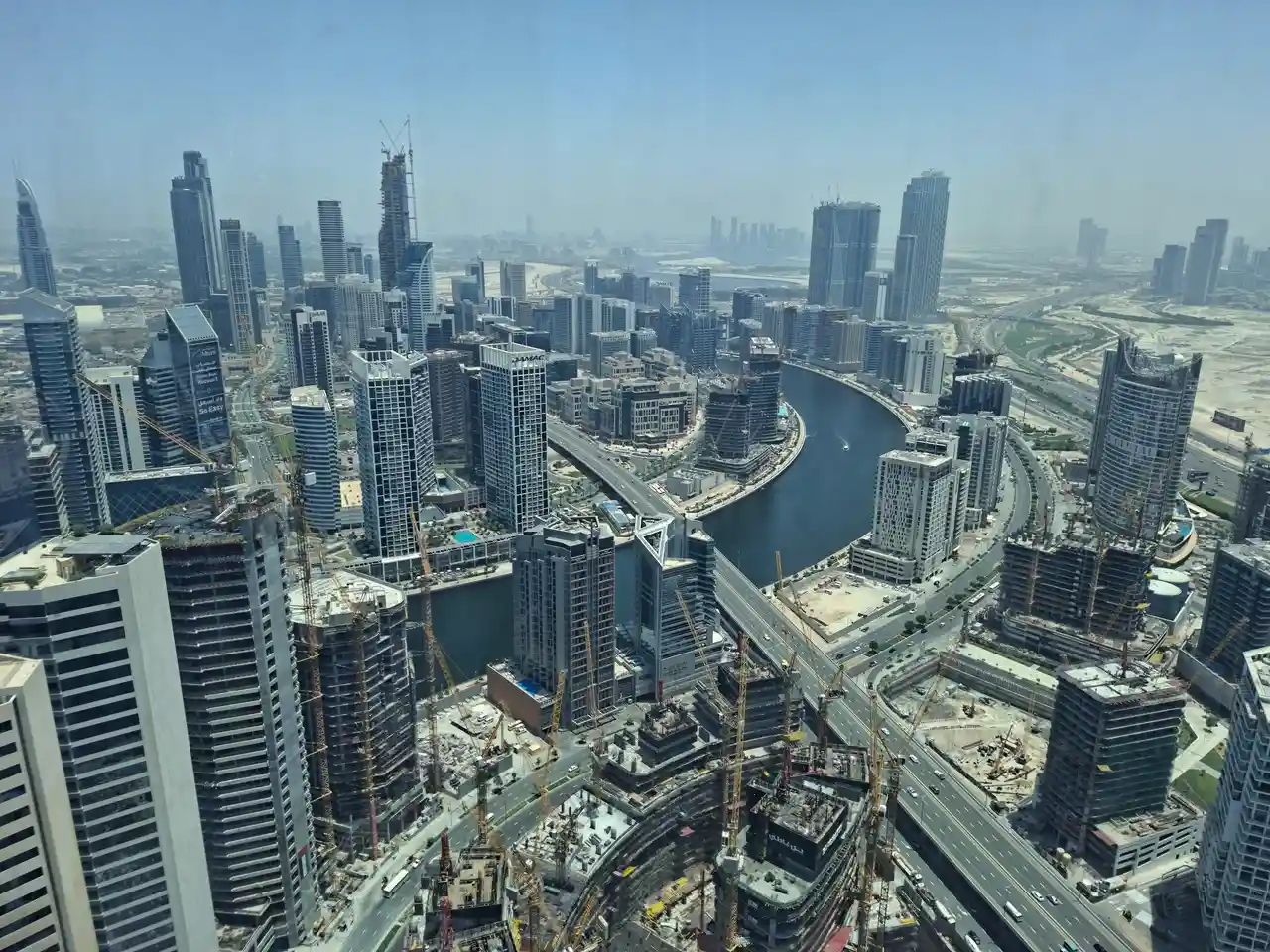
Ultra Luxury Grade A offices in Business Bay with landmark Dubai skyline positioning.








Invest in Dubai's most promising off-plan and ready projects. Each listing comes with brochures, payment plans, expected ROI, and handover timelines, so you can compare opportunities and buy with a clear investment strategy, not guesswork.

Ultra Luxury Grade A offices in Business Bay with landmark Dubai skyline positioning.
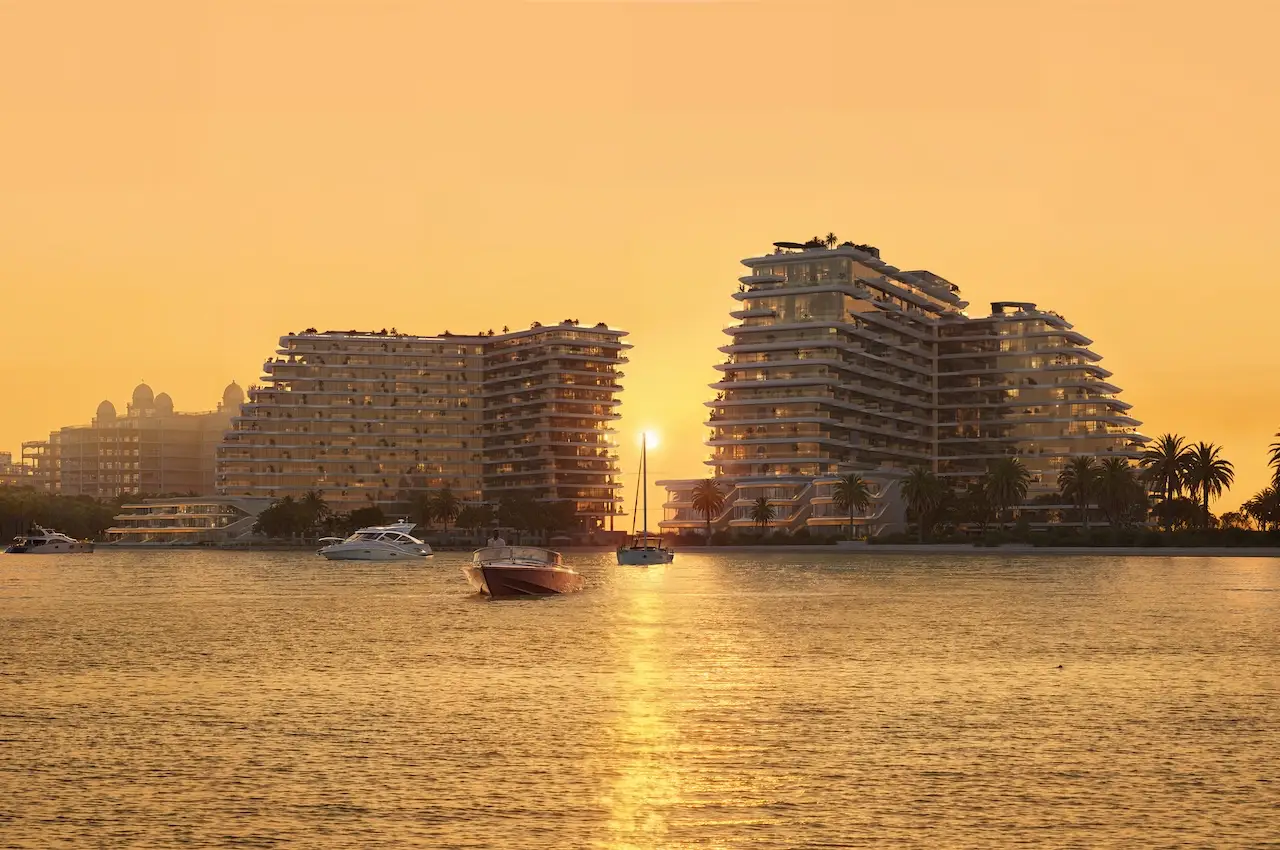
Ultra Luxury beachfront residences on Palm Jumeirah with private beach and resort amenities.
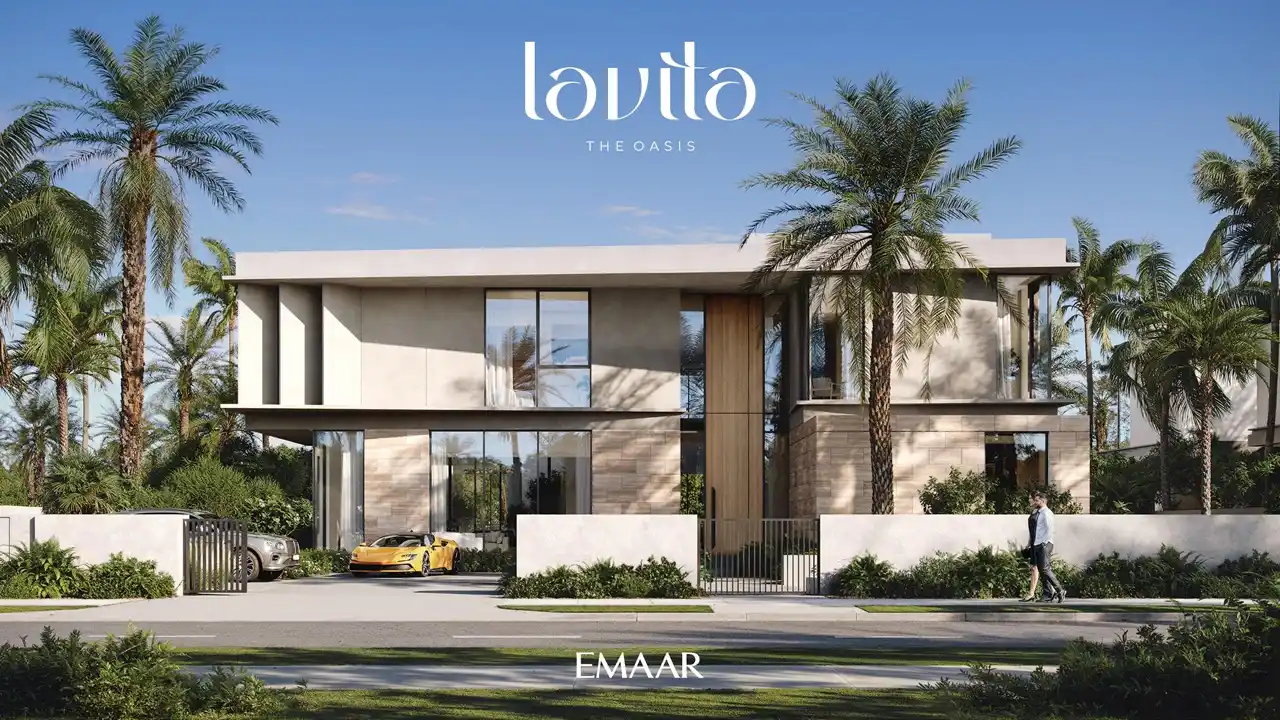
Waterfront mansions at The Oasis with expansive layouts and resort style living.
Discover the best areas in Dubai with real-time prices per sq ft , ROI potential, and growth insights — all in one interactive map.
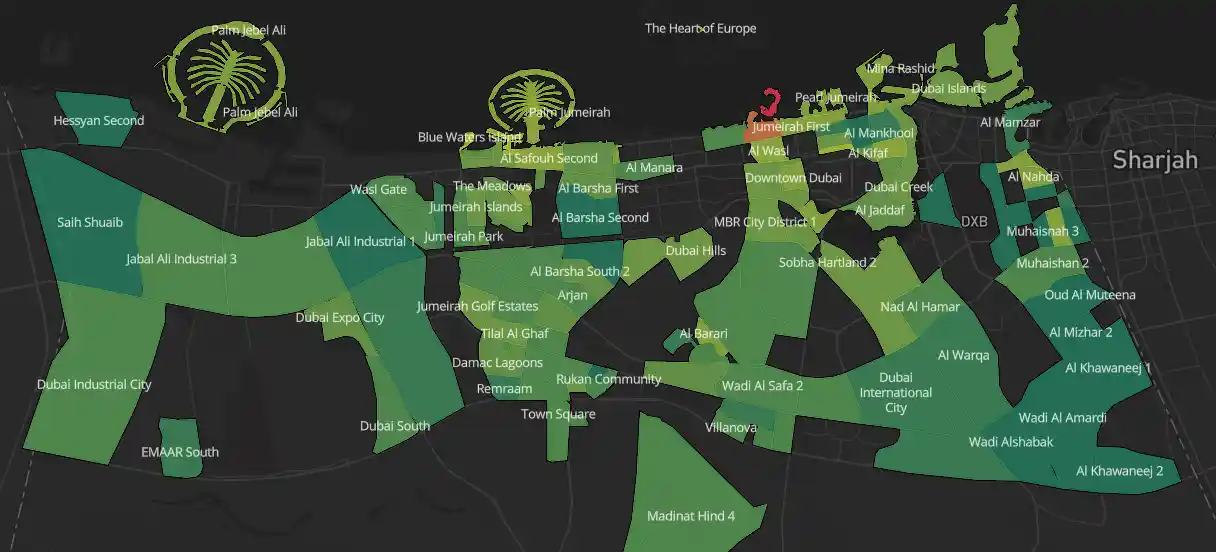
Explore Dubai's most sought-after communities, where lifestyle meets long-term value. Compare amenities, rental demand, and price growth across each neighborhood, from waterfront living to family master-communities, and find the location that fits both your life and your portfolio.

Wellness focused Emaar community with villas, green spaces, and country club lifestyle.
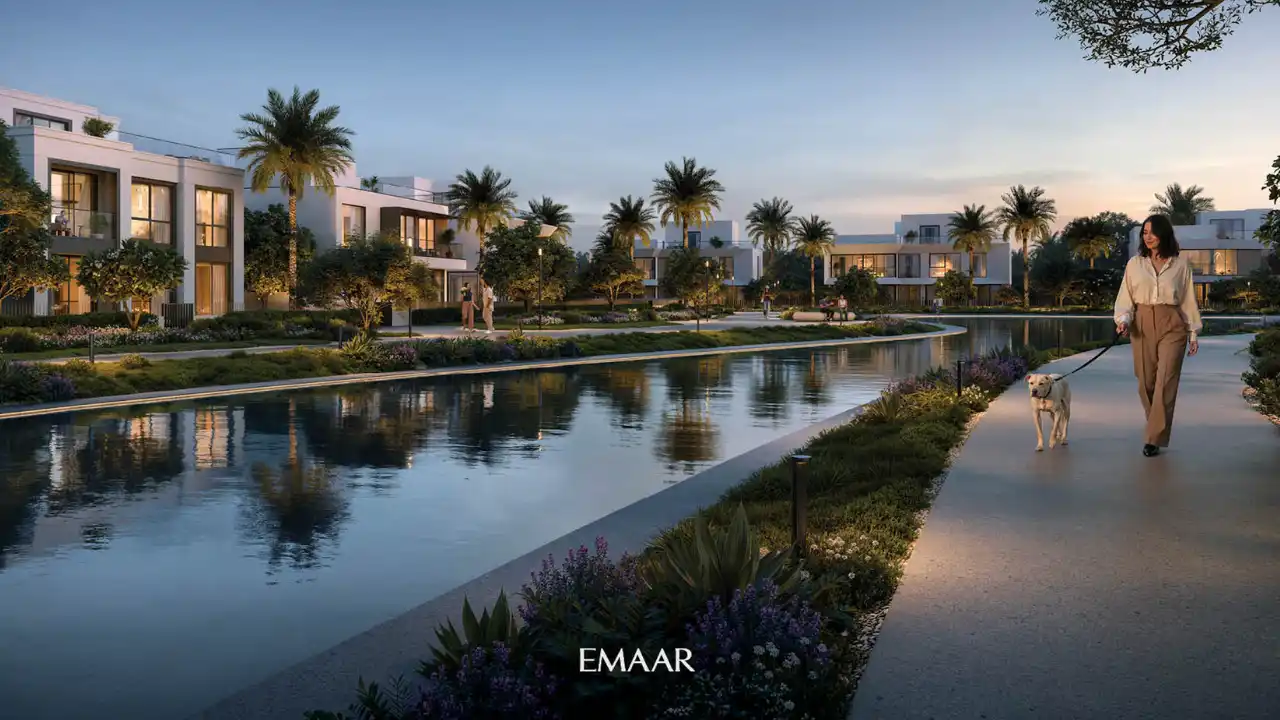
Luxury waterfront villa community with lagoons, mansions, parks, and branded residences.
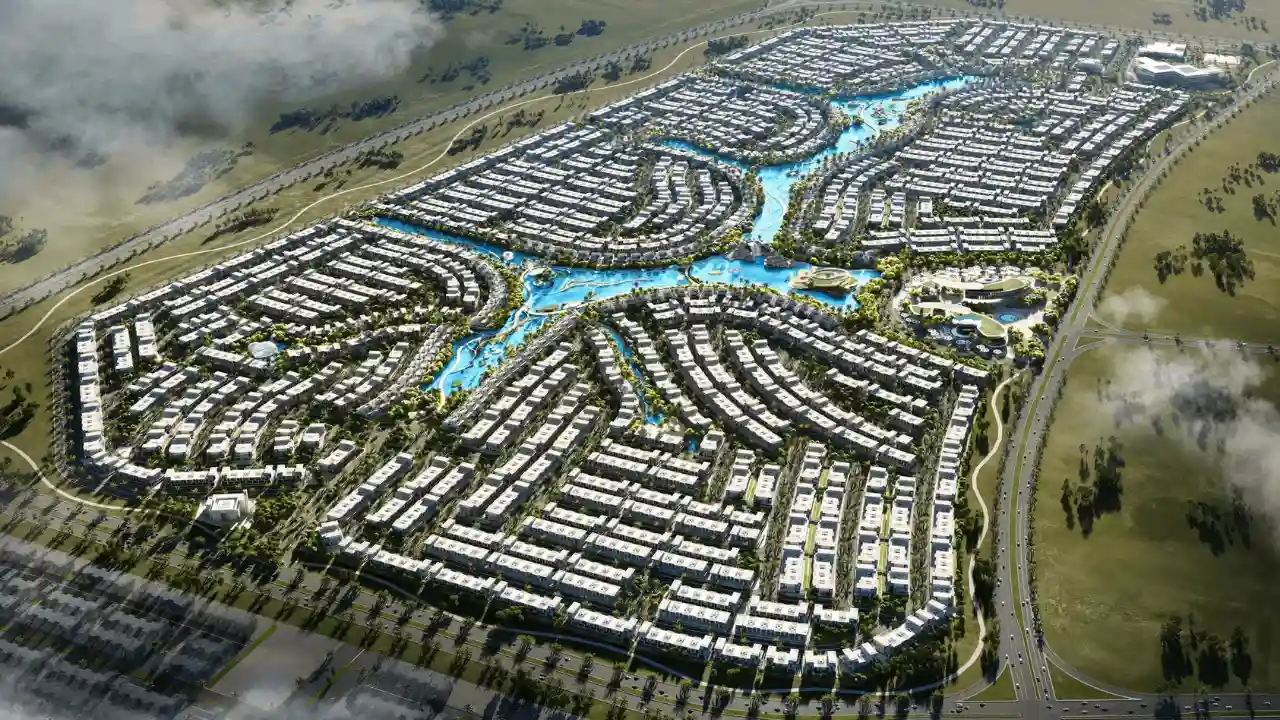
Waterfront villa community with crystal lagoons, island clusters, and strong investment positioning.
Know who you're buying from. Explore Dubai's leading developers, including Emaar, DAMAC, and Omniyat, with profiles covering their specialization, signature projects, build quality, and market positioning, so you can invest with developers who deliver.
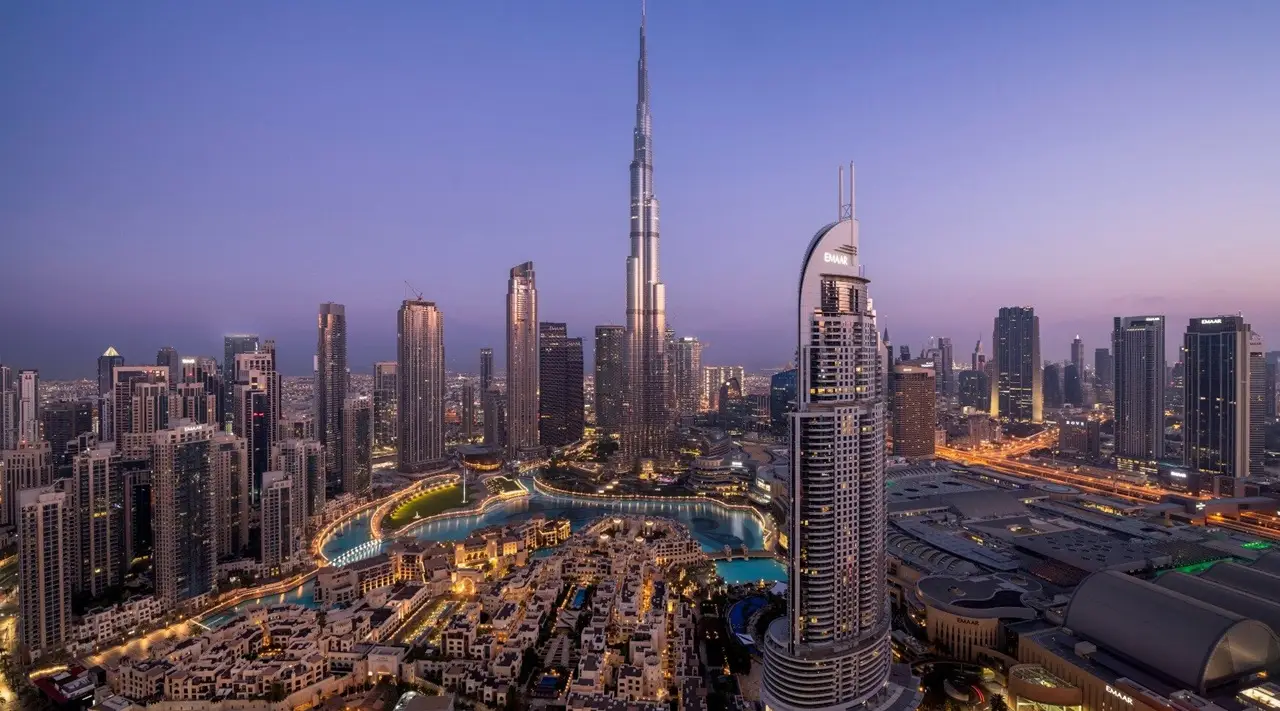
Developer behind Burj Khalifa, Dubai Mall, and Dubai’s most iconic master communities.
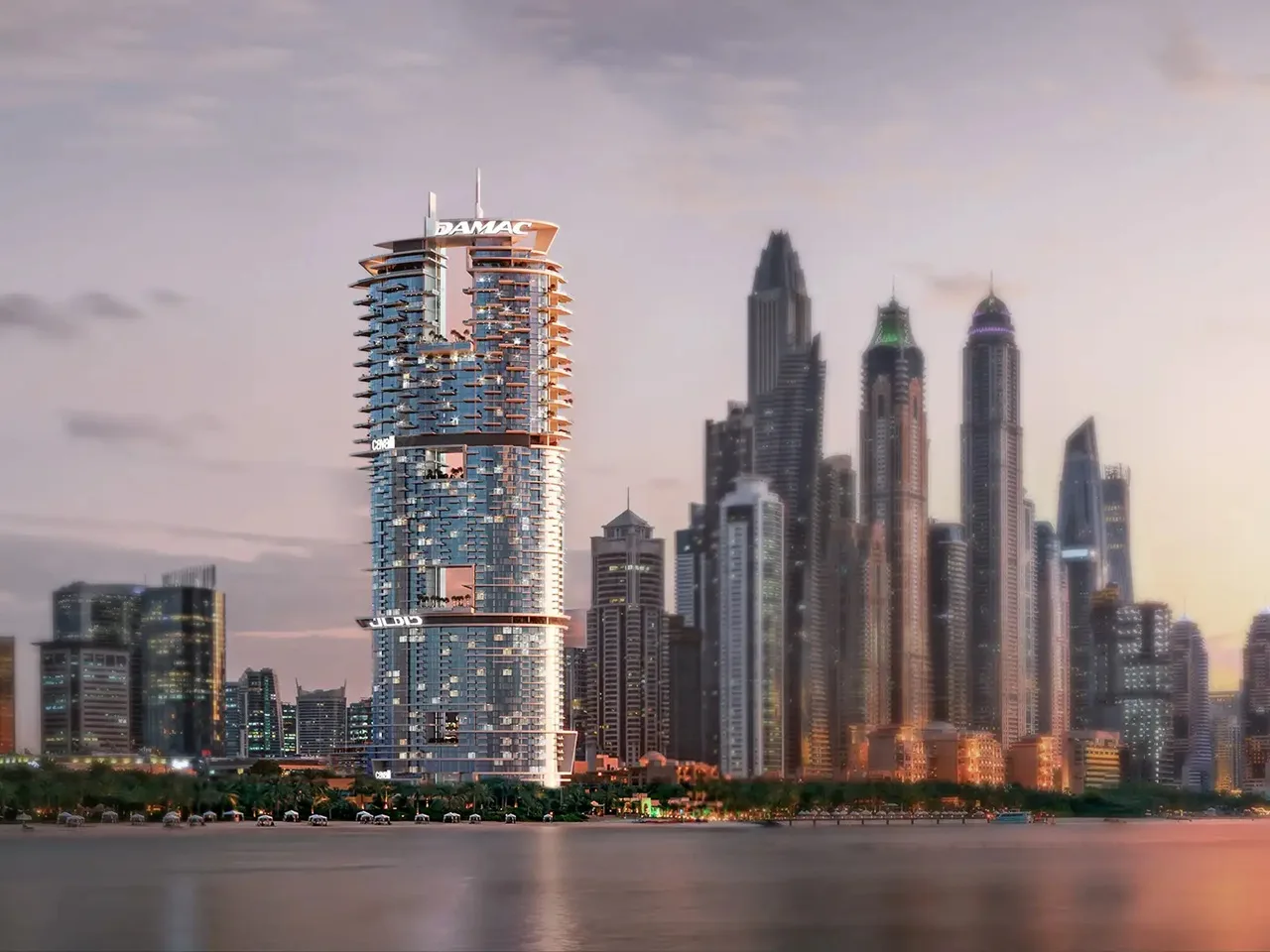
Developer behind DAMAC Islands, Cavalli Tower, and Dubai’s largest luxury villa communities.
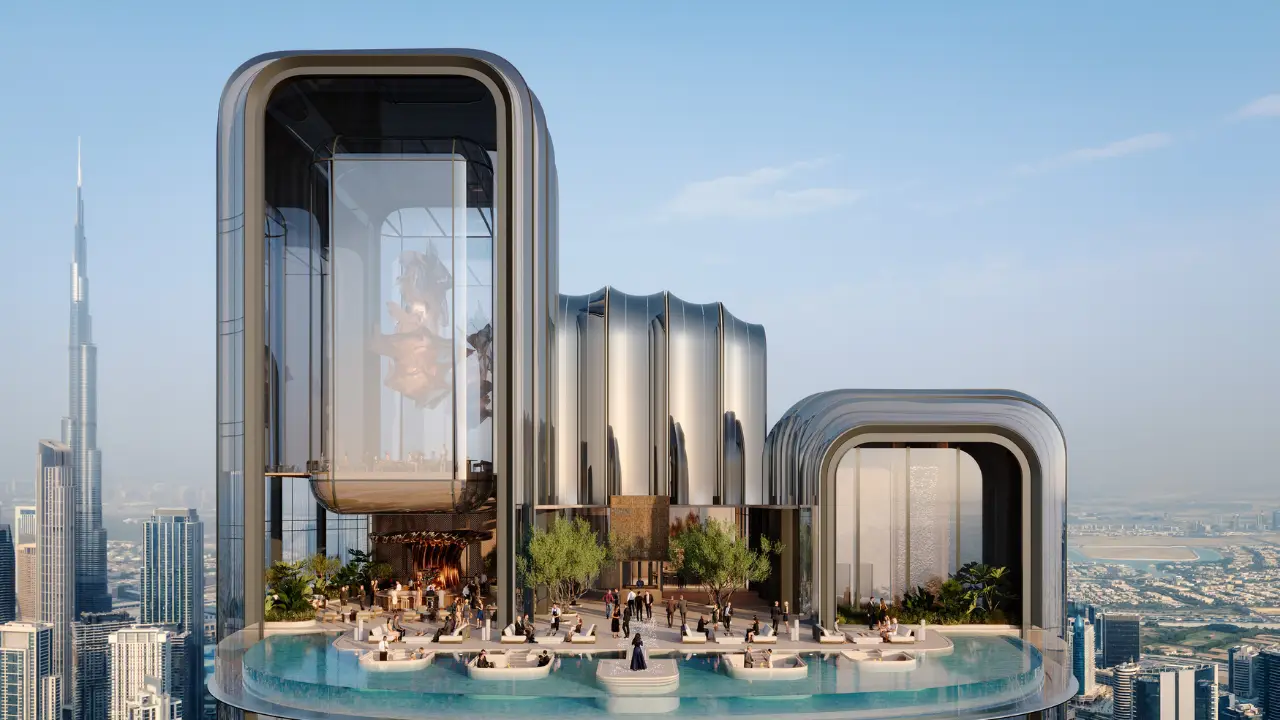
Architectural luxury residences across Palm Jumeirah, Marasi Bay, and Dubai’s premium waterfront districts.
Buy in Dubai with total clarity. Follow every step of the process, from Expression of Interest (EOI) and SPA contracts to RERA-approved escrow accounts, Oqood registration, and title deed transfer. A transparent, regulated journey designed to protect your investment at every stage.

Built for international investors. Pay securely through UAE bank transfers, manager's cheques, mortgages, or cryptocurrency, with every off-plan payment protected by RERA-regulated escrow accounts. Invest from anywhere in the world with complete peace of mind.
Turn property into long-term residency. A 2 million AED investment can qualify you for a renewable 10-year UAE Golden Visa, covering off-plan eligibility rules and family sponsorship for your spouse and children. Invest in Dubai and secure your future in the UAE.
Always know where your investment stands. Track real construction progress with developer milestone reports, inspection updates, and delivery timelines, giving off-plan investors full transparency from groundbreaking to handover.
Get the latest insights and numbers on Dubai's dynamic real estate market. Explore up-to-date statistics on sales, trends, and growth to stay informed and make confident decisions.
Sales Value
Sales Value
Sales Value
Sales Value
Dubai offers a unique mix of high returns and long-term security, with rental yields averaging 6–10%, no property, capital gains, or rental income taxes, and a currency pegged to the US dollar for decades. An investment of 2 million AED qualifies for a 10-year Golden Visa, while strong demand from over 250,000 new residents each year and limited supply continue to drive property values upward. Combined with its global business hub status, world-class lifestyle, and strategic location, Dubai stands out as one of the most profitable and secure real estate markets in the world.
My goal is to guide you toward making the right investment decisions in Dubai real estate.
Over the years, I’ve helped investors and families navigate Dubai’s property market with clarity and confidence. On this website, you’ll find practical insights from citywide maps to deep dives into each district together with precise numbers that make every decision smarter.
You’ll discover why a villa or apartment might be the perfect fit for you, but not for someone else because in real estate, the right choice always depends on your goals, your strategy, and your timing.
Take your time to explore the information I’ve prepared. And whenever you have a question, just reach out whether by message or a quick call, I’ll personally walk you through the details.
Get quick answers to the most common investor questions about Dubai real estate. Still have questions? Contact me for personalized guidance.
Yes. Since 2001, foreigners can buy freehold properties in designated areas like Palm Jumeirah, Downtown Dubai, Dubai Hills, Business Bay, and JVC. Buyers can fully own, sell, lease, and rent their property.
Dubai has no annual property tax, no capital gains tax, and no tax on rental income. Investors can buy, own, and rent out their properties without paying any recurring government taxes.
To qualify for the UAE Golden Visa, investors must make a minimum property investment of AED 2 million.The Golden Visa is valid for 10 years, is renewable, and allows you to sponsor your spouse and children, as well as enjoy long-term residency benefits in the UAE.
Yes. You can purchase property from abroad through a Power of Attorney and complete the transaction without being physically present.
• 0% property tax
• High ROI
• Strategic location
• Long-term residency options
• Political & economic stability
• World-class infrastructure
On average, 30–45 days from signing the contract to receiving the title deed.
Dubai offers strong rental yields, with average annual returns between 5% and 8%, and in some prime and off-plan projects, investors can achieve up to 14% ROI. This makes Dubai one of the most profitable real estate markets globally.Contact me for more information and personalized ROI projections.
Top investment hotspots in 2025 include:
• Palm Jumeirah
• Business Bay
• Dubai Hills Estate
• Dubai Creek Harbour
• JVC
Yes — most developers allow resale once 30% of the property price has been paid.
All payments for off-plan properties must go through RERA-approved escrow accounts, and only DLD-registered agents and developers are legally allowed to sell properties.

This website uses cookies to ensure you get the best experience on our website.
Copyrights © 2025 Tohid Fetrat
Loading...
