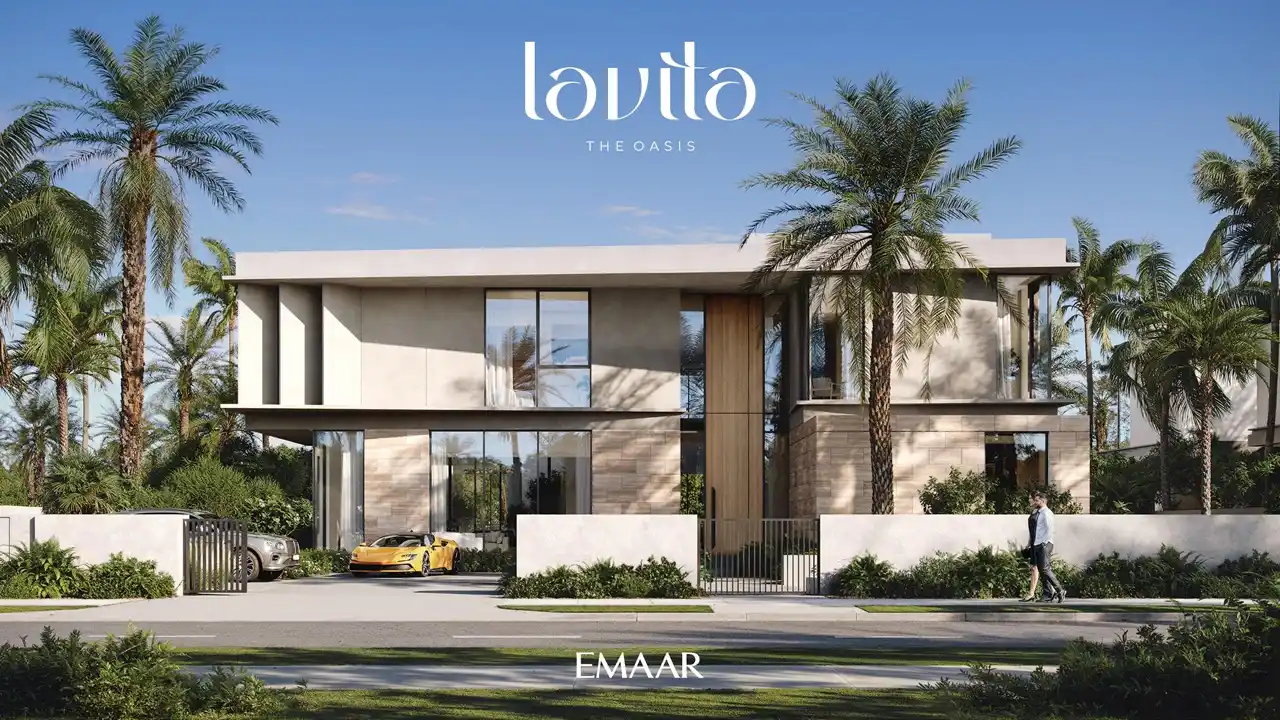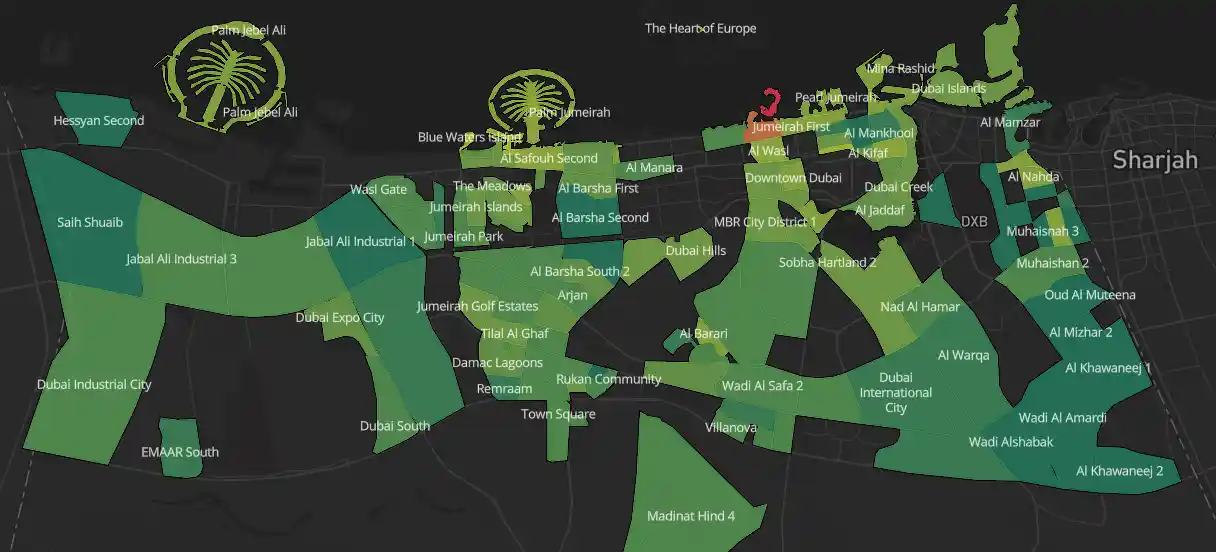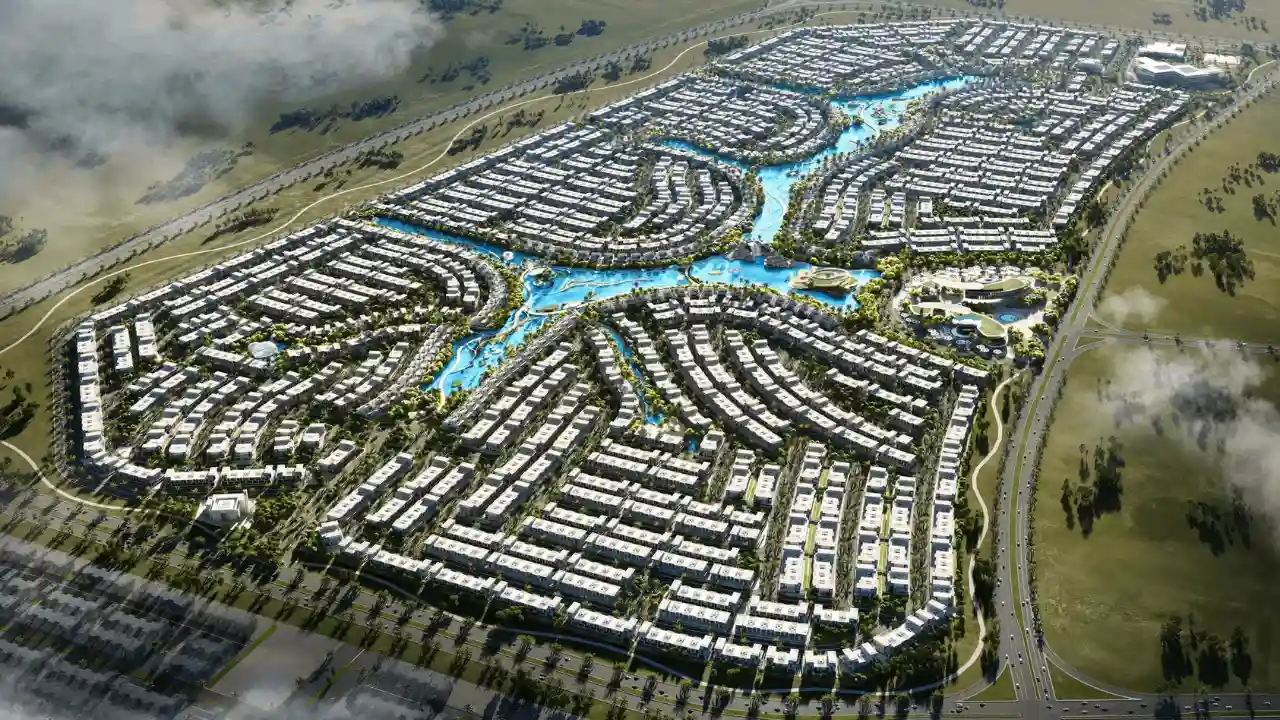
How to pay for property in Dubai featuring international bank transfer manager cheque mortgage and crypto funded purchase options Presented by Tohid Fetrat

How to Pay for Property in Dubai: The Complete 2026 Guide for Off-Plan Investors

Two-thirds of all property purchased in Dubai today is off-plan. This is the payment playbook for the international buyer paying milestones over 5+ years, in foreign currency, across shifting regulations. Two buyers signing the same AED 2.5M unit can walk away AED 80,000 to AED 150,000 apart, most of it lost silently to FX spreads and compliance delays. This guide closes that gap.

Updated May 2026 · DLD Direct Payment Rule · VARA Framework · Escrow Protection

Every Way to Pay for an Off-Plan Property in Dubai

Four payment paths are recognized by the DLD. For off-plan, most buyers use a combination - international wire for the early milestones, then potentially a mortgage at handover.

  • International bank transfer (SWIFT / IBAN)

    The default method for foreign buyers. Funds wire directly from your home-country bank to the project's escrow account. Each transfer takes 2–5 business days through SWIFT, costs $25–$75 in flat bank fees, and adds the FX spread on top.

    For off-plan, you'll execute this 8 to 12 times across the payment plan, so the difference between using a retail bank and a specialist FX broker compounds dramatically.

  • Manager's cheque

    Bank-issued, guaranteed cheque drawn from a UAE account. For off-plan, this is typically only used at the booking stage (the EOI or down payment) if you're physically in Dubai when signing, and again at handover for any final cash component. Same-day clearance, no FX risk at the moment of payment.

  • UAE bank mortgage (at handover)

    Most off-plan buyers don't take a mortgage during construction - they pay milestones in cash. The mortgage enters the picture at handover, when the bank disburses the remaining balance (typically 20–40% of the price) directly to the developer. UAE residents can borrow up to 80% LTV; non-residents 50–60%. The mortgage registers a 0.25% fee with the DLD plus AED 290 admin.

  • Cryptocurrency via a licensed VASP

    Increasingly accepted by major Dubai developers including DAMAC Properties, Emaar Properties (selectively), and several boutique developers in Business Bay, Dubai Creek Harbour, and Dubai Marina. Under Federal Decree-Law No. 6 of 2025, crypto is the source of funds - the settlement is always in AED. Your Bitcoin, Ethereum, Tether, or USD Coin is converted through a VARA-licensed exchange or OTC desk, with AED settled into the escrow account in 24–72 hours.

    For off-plan investors holding stablecoins, this is often faster and cheaper than international banking.

MethodWhen to Use ItSpeedCost Layer
Bank wireEvery milestone payment2-5 daysFX 1-3% + SWIFT fees
Manager's chequeBooking and handover (in Dubai)Same dayAED 50-200 issuance
MortgageAt handover, remaining balance4-8 weeks approval0.25% reg + bank fees
Crypto via VASPBooking or full purchase24-72 hours0.5-1.5% conversion

Paying for Off-Plan Property in 60 Seconds

  • Dubai off-plan property is sold and registered in AED. Whatever currency your funds start in, they're converted before settlement.

  • You'll use one of four legal payment methods across the life of the purchase: international bank transfer to the escrow account, manager's cheque, UAE bank mortgage at handover, or cryptocurrency through a licensed VASP.

  • Every payment goes into a RERA-approved escrow account, not the developer's general account. This is mandated under Law No. 8 of 2007. The developer can only access funds as independent engineers verify construction milestones.

  • The agent's commission is built into the developer's price - off-plan buyers do not pay a separate 2% commission. The DLD 4% transfer fee applies, but it's increasingly common for developers to absorb it as a sales incentive. The Oqood registration fee is around AED 3,000.

  • Funds must originate from a bank account in the buyer's name and land in the developer's escrow account (Direct Payment Rule, February 2026). Third-party transfers are no longer accepted.

  • The single largest avoidable cost across an off-plan purchase isn't a fee - it's the FX spread on every installment, repeated across 5 to 10 years.

Why Off-Plan Payment Strategy Matters More Than Buyers Realize

A ready-property buyer makes one large transfer. An off-plan buyer makes ten or twelve. That difference is the entire reason this page exists.

  • The compounding FX spread

    A retail bank's foreign exchange spread on a USD-to-AED conversion runs 1.5% to 3%. On a single transfer that's painful. Across 12 installments on a USD 700K off-plan purchase, that's USD 10,000 to USD 21,000 lost over the life of the payment plan. Specialist FX brokers operate at 0.3% to 0.6%. Same destination, same compliance, same speed - and you keep the difference.

  • Currency risk over multi-year payment plans

    If your home currency weakens against AED during a 5-year payment plan, every future installment costs more. Buyers paying in GBP, INR, RUB, or TRY have all seen installments inflate 10–25% over the construction window in recent cycles. A forward contract locks today's rate for the entire payment schedule and eliminates this risk. Most buyers don't know it exists.

  • The Direct Payment Rule and why it freezes off-plan deals

    Since February 2026, funds must originate from a bank account in the buyer's name and land in a UAE account in the registered owner's name - for off-plan, that's the developer's escrow account, exactly as published on the DLD record. Buyers who try to wire from a relative's account, a corporate account, or a lawyer's account see installments rejected and 30-day default clocks start ticking.

  • The compliance freeze

    A wire that fails an AML check sits frozen for 14 to 30 days. On a ready property, that's a closing delay. On an off-plan installment with a hard deadline in the SPA, that delay can trigger contractual penalties between 5% and 10% of the unit price, or in extreme cases the cure-period clock under Law No. 19 of 2017.

Every problem in this section is preventable. The rest of this guide is how.

Why off plan payment strategy matters for Dubai property buyers featuring cash flow FX strategy and escrow protection planning Presented by Tohid Fetrat

Off-Plan Payment Plans: How the Structure Actually Works

The payment plan is the single most important number in any off-plan deal - bigger than the price per square foot, bigger than the brand. A flexible payment plan can turn a stretched purchase into a comfortable one, or a 7% ROI into a 14% one through leverage.

  • The five common payment plan structures

    60/40. Sixty percent during construction, forty percent on handover. The most common structure for mid-market and premium projects from Emaar Properties, Sobha Realty, and similar developers.

    70/30. Seventy percent during construction, thirty percent on handover. Less buyer-friendly upfront, often offered with a price discount.

    80/20. Eighty percent during construction, twenty percent at handover. Popular for ultra-luxury projects where construction periods are longer.

    50/50. Fifty during construction, fifty on handover. Common for projects with shorter timelines (18–24 months).

    Post-handover plans. A portion of the price (typically 20–60%) extends 2 to 8 years after handover, often at 1% per month. The developer effectively becomes your lender. No bank involved, no interest charged, but a slightly higher headline price than a non-post-handover plan.

  • Construction-linked vs time-linked

    A construction-linked plan releases payments only when an independent engineer certifies that a specific milestone has been reached (foundation complete, structure topped out, MEP installation, finishing). This is the safer structure - if construction stalls, your payments pause.

    A time-linked plan releases payments on calendar dates (quarterly, biannually) regardless of progress. This is riskier - you may pay while construction is delayed.

    When evaluating a payment plan, ask the developer in writing which structure applies. The answer changes your exposure dramatically.

  • The 2026 5% post-handover retention

    As of 2026, RERA enforces an additional protection layer: 5% of the total project value is retained in the escrow account for one full year after handover, used to cover defects discovered during the first year of occupancy. If the developer fails to fix snagging issues, the retention is paid out to repair them.

    This is one of the strongest post-handover protections in the Gulf region and one of the most underused buyer rights.

Every Fee You'll Pay on an Off-Plan Purchase

Off-plan fees look very different from ready-property fees. Forget the 6–8% you read about for ready transactions - off-plan, structured correctly, runs closer to 4–5% of the property price all-in.

All figures calculated on a sample AED 2,500,000 off-plan apartment.

  • DLD registration fee - 4% (AED 100,000).

    Paid to the Dubai Land Department. Legally the buyer's obligation, but on off-plan launches, developers very frequently absorb this fee as a sales incentive - sometimes as a full DLD waiver, sometimes split 50/50.

  • Oqood registration fee - AED 3,000.

    The off-plan registration cost at the DLD. Confirms your interim ownership rights and is your evidence of purchase before the title deed is issued at handover.

  • Currency exchange spread - 0.3% to 3% across the life of the plan.

    The largest hidden cost in any off-plan purchase. On a USD 680K equivalent paid across 10–12 installments, the difference between using a retail bank (1.5–3% per transfer) and a specialist FX broker (0.3–0.6%) is USD 8,000 to USD 18,000 over the construction period.

  • SWIFT and bank fees - $25 to $150 per transfer.

    Fixed charges on each milestone. Multiplied across the payment plan.

  • Title deed issuance - AED 580 (paid at handover).

    Final administrative cost when ownership transfers from Oqood to permanent title.

  • Mortgage registration (if you take one at handover)

    0.25% of loan + AED 290. On a AED 1.5M mortgage at handover, that's AED 4,040 paid once.

What's missing from this list that you might have seen elsewhere: agent commission, NOC fees, and VAT. None apply to a standard off-plan residential purchase. VAT on residential property is zero-rated under UAE Federal Decree-Law No. 8 of 2017 - the 5% rate applies only to commercial property and certain serviced apartments.

Every fee involved in an off plan property purchase in Dubai including DLD registration bank and transfer charges Presented by Tohid Fetrat

Five Ways to Cut Your Off-Plan Payment Costs

Each of these is bigger than the next negotiation you'll have with the developer on the property price itself.

  • Use a specialist FX broker, not your retail bank

    Across 10 milestone payments on a USD 700K off-plan unit, the FX spread alone determines whether you save USD 15,000 or hand it to a bank. OFX, Wise, Currencies Direct, and MTFX operate at 0.3–0.6% spreads. The compliance and the speed are the same. Set this up once before your first milestone and use the same broker for every installment.

  • Lock a forward contract across the full payment plan

    A forward contract freezes today's exchange rate for a future settlement - sometimes years out. For an off-plan buyer paying milestones over 5 years, this neutralizes the single biggest unquantified risk in the entire purchase: currency movement. Most specialist brokers offer forwards with no upfront premium; they make the spread on the conversion.

    Buyers paying in volatile currencies (TRY, INR, RUB, ZAR) effectively cannot afford to skip this step. A 15% currency move during construction wipes out years of property appreciation.

  • Choose the right payment plan for your cash flow

    A 60/40 with a 4-year post-handover plan ties up less of your capital than a 70/30 with no post-handover. The opportunity cost on capital you don't have to wire today - invested in any reasonable yield - often outweighs the small price premium developers charge for extended plans. Run the math before assuming the cheapest headline plan is the cheapest plan.

  • Time conversions, don't dump them

    If you have flexibility on when each milestone is due (most plans have a 30-day window), watch the FX rate. Converting at a favorable rate two weeks before the deadline rather than the day-of can move thousands. A pre-funded UAE multi-currency account at Mashreq Neo, Wio, or ADCB makes this strategy possible.

Off-Plan vs Secondary Market: Two Different Payment Worlds

Off-plan

Off-plan payments go into a RERA-approved escrow account, released to the developer only as construction milestones are verified. Buyer protections are at their strongest here – if the developer fails to deliver, escrow refunds are governed by Decree No. 33 of 2020. As of 2026, 5% of total project value is retained in escrow for one year post-handover.

Payment timing: 2 to 10 years.
Funds held in: RERA escrow.
Buyer’s agent commission: zero (paid by developer).
Down payment: 5% to 20%.
Registration: Oqood, then Title Deed at handover.
FX strategy: forward contract + tranched conversions across the payment plan.

Secondary market (ready property)

A single transaction completed at a DLD-registered trustee office. Both parties attend in person (or via POA). Manager’s cheques are exchanged, the 4% DLD fee is paid on the spot, and the title deed is issued in 1–2 hours.

Payment timing: single transfer.
Funds held in: direct to seller.
Buyer’s agent commission: 2% of price (plus the DLD’s standard service tax on the commission itself).
Down payment: typically 10% at MOU signing.
Registration: Title Deed directly.
FX strategy: single optimized conversion at the right moment.

This page is built primarily for the off-plan buyer because off-plan dominates the Dubai market today and the payment journey is meaningfully more complex. If you’re buying secondary, the structure still applies – just compressed into one transaction.

Dubai skyline representing compliance checks and international wire transfer verification for property payments Presented by Tohid Fetrat

The Compliance Checks That Decide Whether Your Wire Lands

Off-plan buyers face compliance friction repeatedly. Every milestone is a fresh opportunity for a wire to be held, queried, or returned. Plan once, reuse the documentation forever.

  • KYC: documents you'll always need

    Passport copy, proof of current address, sometimes a tax residency certificate or home-country tax ID. UAE banks ask for these once at the start of the relationship and rarely again.

  • AML: source-of-funds documentation

    For purchases above AED 1M - which is most off-plan units - expect to provide payslips and employer letter (for salaried), audited business accounts and dividend statements (for company owners), sale documents (for proceeds from other assets), inheritance certificates, or investment portfolio statements. The bigger the deal, the deeper the questions. A AED 10M villa transfer faces compliance scrutiny a AED 1.5M apartment never sees.

  • The Direct Payment Rule (February 2026)

    Funds must originate from a bank account in the buyer's name and arrive in the developer's escrow account exactly as registered with the DLD. No third-party transfers, no corporate intermediaries, no "send it from my brother's account because mine is frozen." The rule aligns Dubai with FATF anti-money-laundering standards and is enforced rigidly. There is no discretion at the trustee office or with the developer's compliance team.

  • Country-specific transfer rules

    India. USD 250,000 per person per year under the Liberalised Remittance Scheme. Spousal pooling allowed (USD 500K per couple per year). Dependent quotas extend the total available. For off-plan purchases above the annual cap, structure the payment plan to spread milestone payments across multiple tax years.

    United Kingdom, United States, European Union, Australia, Canada. No transfer limits, but standard reporting thresholds apply (FinCEN reporting in the US above $10K). Documentation requirements at the UAE end are the same regardless of origin.

    Russia, Türkiye, Iran, Lebanon. Country-specific banking restrictions can apply at both ends. For these buyers, a UAE bank account opened in advance - or in some cases, a crypto-VASP route - is often the only practical path.

File source-of-funds documents with your receiving UAE bank or the developer's compliance team before each milestone wire arrives. Pre-clearance can shave 7–14 days off compliance hold time.

Paying for Off-Plan with Crypto: What's Actually Allowed in 2026

Crypto is the fastest-growing payment route for off-plan property in Dubai, and the most misunderstood. Here is what the law actually permits.

Crypto is the source of funds, not the settlement currency

Federal Decree-Law No. 6 of 2025 confirms the AED is the UAE's only legal tender and that virtual assets are not currency. In practice, your BTC, ETH, USDT, or USDC is sent to a VARA-licensed Virtual Asset Service Provider (VASP), converted to AED, and disbursed to the escrow account in dirhams. The DLD registers the off-plan unit in AED. Always.

Stablecoins dominate

USDT and USDC are now the preferred crypto routes for off-plan property purchases because they eliminate volatility during the 24–72 hour conversion window. A buyer paying in BTC has to worry about a 5% price drop between booking and settlement. A buyer in USDT doesn't.

Which developers accept crypto

Some developers allow regulated crypto settlement routes for selected Dubai off-plan properties, but acceptance changes constantly between developers, projects, unit types, and payment structures. Compliance requirements may also vary based on buyer nationality, payment stage, and transaction source of funds. Always confirm the exact process in writing before signing the SPA because verbal approval from a sales agent often fails during AML review. Message us to check which Dubai developers currently accept crypto payments and how the process works safely.

The licensed-VASP requirement

The single most common mistake: trying to send crypto directly to a developer's wallet. This is not legally recognized for property purchases and triggers AML red flags that can freeze the deal. Crypto must flow through a regulated exchange - verify the VASP on the VARA public register before sending anything.

Speed and cost

A crypto-funded off-plan deal can settle in 24–72 hours per milestone, versus 5–10 days for international wires. Conversion fees run 0.5–1.5% - often cheaper than a retail bank's FX spread. For investors holding significant digital assets, this is now the fastest legal way to fund an off-plan purchase.

The Six Payment Problems That Derail Off-Plan Deals

  • My wire to the escrow account is stuck in compliance

    Symptoms: funds debited from your account but not credited to the escrow after 5+ business days. The cause is almost always a hold at the receiving bank or a correspondent bank. Action: get the SWIFT reference from your sending bank, escalate to the developer's finance team with that reference, and provide source-of-funds documents immediately. Most holds resolve in 7–14 days once documentation is in.

  • I missed an off-plan milestone payment

    Under Law No. 19 of 2017, the developer notifies the DLD of your default. The DLD then serves you with formal notice and grants a 30-day cure period during which you can pay, restructure, or reach an amicable settlement. Only after the 30 days expires can the developer initiate termination. The escrow framework still protects your prior payments - the developer cannot simply keep everything you've paid in.

  • My developer cancelled the project or went bankrupt

    Cases go to the Special Tribunal for Unfinished and Cancelled Real Property Projects, established under Decree No. 33 of 2020. Refunds come from the project's ring-fenced escrow account. The refund percentage depends on construction completion stage at cancellation: above 80% complete, the developer may retain 40%; between 60–80%, retention is lower; if construction never started, the developer retains as little as 25–30%, with the rest refunded.

  • The developer is delaying handover

    Standard SPAs include a delay tolerance (typically 12 months past the original handover date). Beyond that, you can pursue compensation through the Dubai Land Department's Real Estate Regulatory Agency (RERA) or, in severe cases, the Special Tribunal. The 5% post-handover retention is also leverageable here - developers releasing late want that 5% unblocked quickly.

  • The unit I receive doesn't match the SPA specifications

    File a complaint with RERA. Document everything: original brochure, SPA spec sheet, photos and video of the delivered unit. If material specifications were downgraded without your written consent, you have grounds for compensation or, in extreme cases, refund.

  • I lost money on FX across my payment plan

    Limited remedies but partial recovery is possible if your bank misquoted a rate or failed to execute a forward contract correctly. Document every quote, transcript, and confirmation. Escalate through the bank's complaints process; in larger cases, file with the UAE Central Bank's Consumer Protection Department.

Different payment methods for off plan property purchases in Dubai including bank transfer crypto mortgage and manager cheque options Presented by Tohid Fetrat

Which Payment Method Fits Your Off-Plan Purchase?

Four buyer profiles, four optimal paths.

  • The London-based first-time off-plan investor

    Funds in GBP, no UAE bank account yet, targeting a AED 1.5–3M unit on a 60/40 plan over 4 years.

    Recommended path: Open a multi-currency account at Mashreq Neo or Wio before signing the SPA. Set up a forward contract through OFX or Currencies Direct to lock the GBP-AED rate for the full payment plan. Convert and wire each milestone 7–10 days before its deadline. Estimated savings vs naive retail-bank approach across the plan: £8,000–£14,000.

  • The Mumbai HNW buyer constrained by the LRS

    USD 250,000 per person per year under the Liberalised Remittance Scheme. Targeting a AED 5M+ off-plan villa.

    Recommended path: Structure as a couple to access USD 500K combined; if dependents qualify, use their quotas. Pick a developer with a 60/40 plan extended over 5 years and a 4-year post-handover plan to spread the payments across multiple tax years. Lock a forward contract on the predictable installments to prevent currency volatility from breaking the LRS math.

  • The crypto-native investor

    Significant USDT or USDC holdings, no traditional banking footprint, wants speed and simplicity.

    Recommended path: Some Dubai developers allow regulated crypto settlement routes for selected off-plan properties, but acceptance changes constantly between projects, payment stages, and compliance requirements. Always confirm crypto acceptance in writing before signing the SPA. Use a VARA-licensed VASP for every milestone and settle payments within 24-72 hours. Message us to check which Dubai developers currently accept crypto and how to structure the transaction safely.

  • The Dubai-resident upgrader buying off-plan

    Already earning in AED, employed in the UAE, looking to move from a current ready property to a new off-plan unit.

    Recommended path: Pay early milestones in cash from existing AED savings or sale proceeds of the current property. Lock in a UAE bank mortgage commitment 6 months before handover, with the bank covering 60–80% of the final balance. Manager's cheque for the down payment at SPA signing.

The Off-Plan Payment Timeline: From Booking to Handover

  • Day 0 - EOI signed.

    Expression of Interest with the developer or broker. Refundable in some cases, non-refundable in others - always confirm in writing.

  • Days 7–30 - SPA signed, booking payment made.

    Sale and Purchase Agreement executed, first installment (typically 5–20% of price) wired into the project escrow account. Oqood registration follows shortly after.

  • Months 1–48 - Construction milestone payments.

    Each milestone wire executed 7–14 days before its deadline. Source-of-funds documentation pre-filed each time. Forward contract converts and locks the rate if used.

  • Construction phase - Periodic progress checks.

    Independent engineer inspections verify each milestone. Buyer can typically request site visits (limited frequency, with notice).

  • Handover minus 6 months - Mortgage application (if used).

    Begin the UAE bank mortgage application 6 months before handover. Approval typically takes 4–8 weeks but pre-approval lets the bank disburse on time.

  • Post-handover plan (if applicable) - Continued monthly installments.

    For buyers on 1% monthly post-handover plans, payments continue 2–8 years after move-in.

  • Title Deed issued.

    Permanent registration in the buyer's name. Oqood converts to Title Deed.

  • Handover + 12 months - 5% retention released.

    Assuming the developer has resolved all defects logged during the snagging period, the 5% post-handover retention is released from escrow.

  • Handover day - Final payment, snagging, keys.

    The final installment (typically 20–40% of price) is wired or disbursed by the mortgage bank. Snagging inspection takes place. Defects are logged. Keys are released.

The 9-Point Off-Plan Checklist Before You Sign the SPA

  • Confirm the escrow account exists and matches the DLD record - never accept a non-escrow payment instruction.

  • Read the full SPA, especially the delay clause, default clause, and specification schedule.

  • Pre-file source-of-funds documents with your UAE bank or the developer's compliance team.

  • Compare quotes from at least two FX brokers against your bank's rate.

  • Confirm whether the payment plan is construction-linked or time-linked in writing.

  • If using crypto, verify the VASP is on the VARA public register.

  • Build a 14-day buffer into every milestone payment for compliance delays.

  • Take photos and video of the show unit and brochure on the day of signing - your evidence if specifications change.

  • Get every promise from the developer or sales agent in writing in the SPA itself. Verbal agreements have zero legal weight in Dubai property disputes.

frequently asked questions about Property Payment

Do I pay an agent commission on an off-plan purchase in Dubai?

No. The agent's commission on an off-plan unit is paid by the developer. This is a major structural difference from secondary-market sales, where the buyer pays a 2% commission separately.

Is there VAT on an off-plan apartment in Dubai?

No. Residential property in the UAE is zero-rated for VAT under Federal Decree-Law No. 8 of 2017. The 5% VAT rate applies only to commercial property and certain serviced apartments - not to standard residential off-plan units.

Can I buy off-plan property in Dubai with cryptocurrency?

Yes. Crypto is permitted as a source of funds. The settlement is always in AED - your BTC, ETH, USDT, or USDC is converted by a VARA-licensed exchange or OTC desk. Select Dubai developers accept crypto-funded off-plan property purchases.

Do I need a UAE bank account to buy off-plan?

Not strictly. You can wire funds directly from your home-country bank to the developer's escrow account. A UAE multi-currency account is strongly recommended, however, because it lets you time conversions and pre-fund installments at favorable rates.

Who absorbs the DLD 4% fee on off-plan?

Legally, the buyer is responsible. In practice, developers frequently absorb the DLD fee as a sales incentive - either as a full waiver during launch periods or as a 50/50 split.

What is the Oqood and how much does it cost?

Oqood is the off-plan registration certificate issued by the Dubai Land Department, confirming your interim ownership rights before the title deed is issued at handover. The registration fee is approximately AED 3,000.

What happens if I miss an off-plan milestone payment?

Under Law No. 19 of 2017, the developer notifies the DLD of your default. You receive a formal 30-day cure period to pay, restructure, or settle. Only after that period expires can the developer initiate termination - and even then, the escrow framework protects most of your prior payments.

What happens if the developer cancels the project?

Cases go to the Special Tribunal for Unfinished and Cancelled Real Property Projects (Decree No. 33 of 2020). Refunds come from the project's escrow account, with the percentage depending on construction completion stage at cancellation.

Can I take a mortgage on an off-plan property?

Not during construction. Most off-plan buyers pay milestones in cash. At handover, you can take a UAE bank mortgage to cover the remaining balance - typically 20–40% of the price for buyers using this structure. UAE residents qualify for up to 80% LTV; non-residents 50–60%.

What is the 5% retention rule?

As of 2026, RERA requires that 5% of total project value remain in the escrow account for one year post-handover. This protects buyers against post-completion defects - if the developer fails to fix snagging issues, the retention is paid out to cover repairs.

How long does an international wire to the escrow account take?

Standard SWIFT transfers take 2–5 business days. Add another 7–14 days if your wire is held for compliance review. Specialist FX brokers using local payment networks can settle in 1–2 days for major currencies.

What is the Dubai Direct Payment Rule?

Introduced in February 2026, the rule requires that funds for any property purchase originate from a bank account in the buyer's name and land in a UAE account in the registered owner's name. For off-plan, that's the developer's escrow account exactly as registered with the DLD. Third-party transfers are no longer accepted.

Ready to Plan Your Off-Plan Payment Strategy?

Three principles every off-plan buyer must remember.

Every milestone settles in AED. The total amount you pay across a multi-year payment plan depends entirely on the FX route you set up at the start - fix that one decision and the rest of the journey becomes predictable.

Compliance, the Direct Payment Rule, and the AML framework are not optional. The cost of ignoring them is measured in weeks of delay per milestone and millions of dirhams in cumulative penalty exposure.

The DLD 4% fee is negotiable on off-plan. Developers routinely absorb it during launch phases. Buyers who don't ask, don't get.

Speak with a Dubai property advisor before you sign the SPA.

Free consultation. Get FX quotes, payment plan analysis, developer-fee negotiation guidance, and a personalized strategy tailored to your country, currency, and timeline.

Portrait of Tohid Fetrat, Dubai real estate advisor and portfolio manager with expertise in luxury developments
Message Me

For any questions about your real estate investment, message or call me directly. I’m here to guide you toward the best opportunities in Dubai.

WhatsApp Get more information
×

Loading...