Dubai Off-Plan Registration

Oqood Registration in Dubai Off-Plan Real Estate

The legal bridge between your SPA and your title deed.

Oqood is Dubai's official interim property registration system for off-plan projects. Issued after signing the SPA and registering the sale with the Dubai Land Department (DLD), Oqood legally records investor ownership during construction and protects buyer rights until the title deed is issued at handover.

4% DLD registration fee
SPA Registered after signing
DLD Verified and recorded
Title deed Converts at handover

Oqood is an interim registration during construction. General information, not legal advice.

Definitions first

What Is Oqood in Dubai Real Estate?

Oqood is Dubai's official interim property registration system for off-plan real estate projects. It is issued by the Dubai Land Department (DLD) after an investor signs a Sales and Purchase Agreement (SPA) for a property that is still under construction.

Unlike a title deed, which is issued only after project completion and handover, Oqood legally records the buyer's ownership interest during the construction phase. It confirms that the unit is registered in the investor's name, linked to the project's escrow account, and officially recognized by DLD. In simple terms, Oqood is the legal bridge between the SPA and the final title deed.

Oqood remains valid throughout the construction period and is converted into a title deed once the project is completed and all contractual obligations are fulfilled.

Once an off-plan sale is registered through Oqood:

The unit is locked

The unit is locked under the buyer's name and the developer cannot resell or reassign the property.

Rights are protected

The investor's rights are protected under Dubai real estate regulations and the transaction becomes fully visible to DLD and RERA.

Where it applies

Oqood Registration Across Dubai Freehold Areas

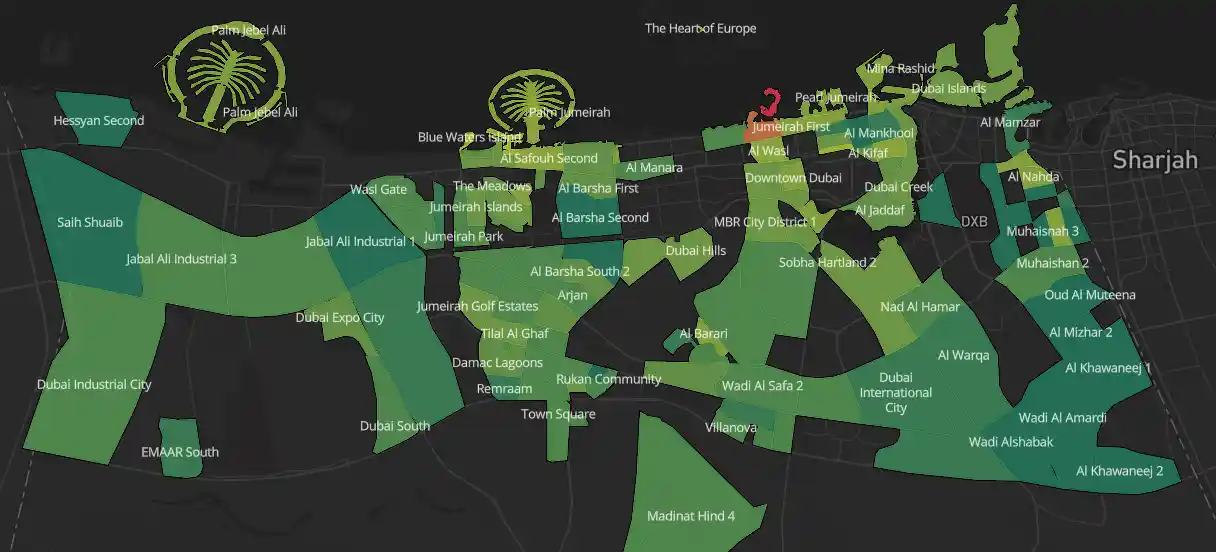
Dubai Real Estate Map highlighting major communities investment zones waterfront districts and residential areas across Dubai Presented by Tohid Fetrat

Oqood registration applies only to off-plan properties located in Dubai's designated freehold areas. These are the zones where both local and foreign investors are legally allowed to purchase property and where off-plan projects are regulated by the Dubai Land Department (DLD).

View freehold areas on the Dubai Map →

Step by step

How Oqood Registration Works in Practice

This is the real-world process every off-plan investor in Dubai should understand. Once the SPA is signed, Oqood registration follows a clear, regulated path.

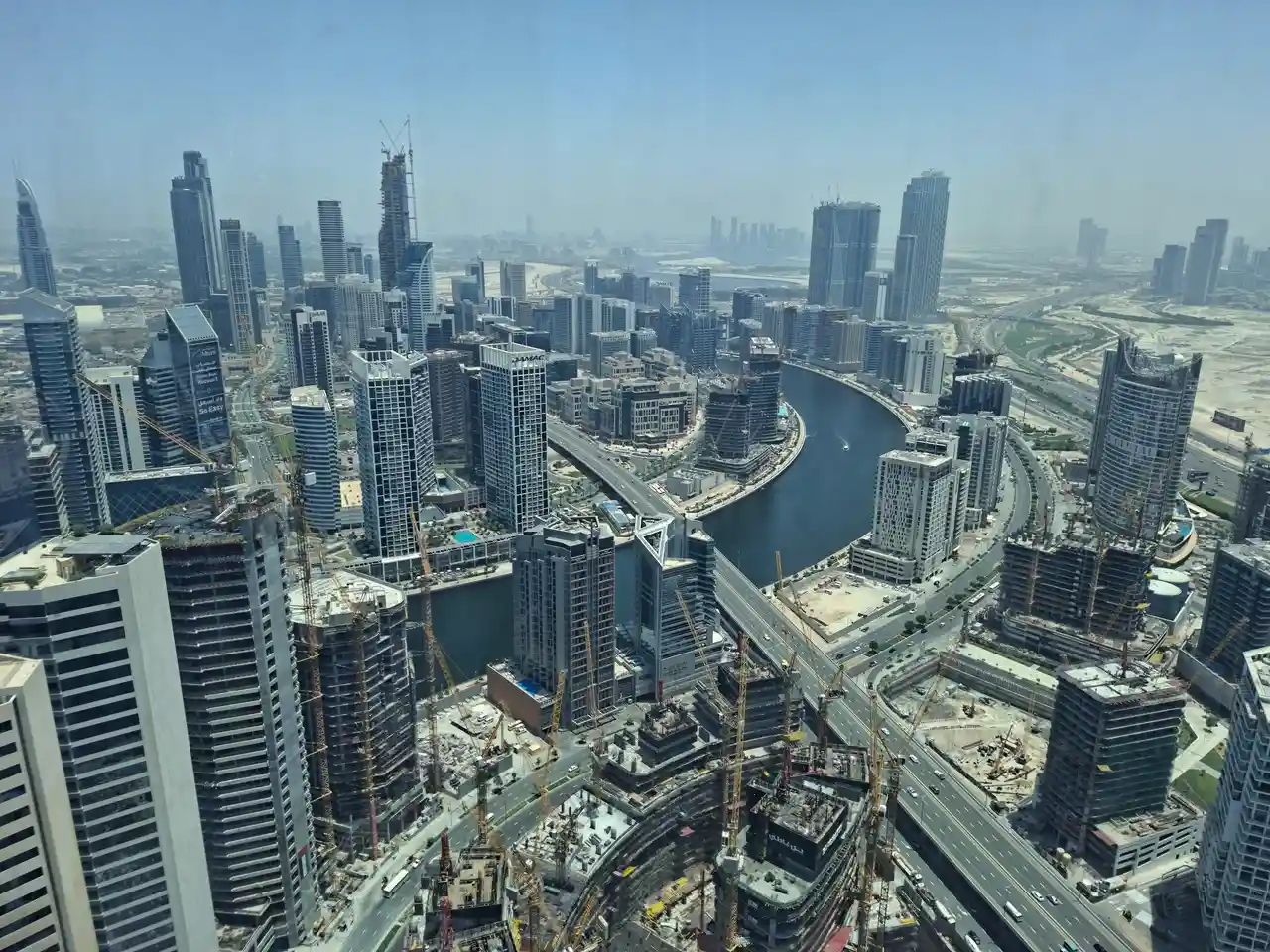
How Oqood Registration Works in Practice illustrated with an aerial view of Business Bay and Dubai Canal showing the off plan property registration process Captured by Tohid Fetrat
  1. 1

    SPA Signing and Initial Payment

    The investor signs the Sales and Purchase Agreement (SPA) with the developer and pays the initial installment as per the payment plan. All payments must be made into the project's approved escrow account.

  2. 2

    Developer Submits the SPA to Oqood

    After the SPA is signed, the developer is legally responsible for submitting the sale to the Oqood system. The submission includes:

    • Signed SPA
    • Buyer identification (passport or Emirates ID)
    • Unit details (project, unit number, size)
    • Payment plan and proof of initial payment
    • Escrow account information
  3. 3

    DLD Review and Verification

    The Dubai Land Department (DLD) reviews the submission to confirm:

    • The project is officially registered
    • The developer is authorized
    • The escrow account is active
    • The SPA details match the approved project data
  4. 4

    Oqood Registration Fees

    Once approved, the Oqood certificate is issued in the buyer's name. This document:

    • Confirms interim ownership
    • Officially links the unit to the buyer
    • Registers the transaction with DLD
    • Remains valid throughout construction

    The certificate is usually issued digitally and can be accessed via the developer or official DLD platforms.

  5. 5

    Oqood Certificate Issued

    Once approved, the Oqood certificate is issued in the buyer's name. This document:

    • Confirms interim ownership
    • Officially links the unit to the buyer
    • Registers the transaction with DLD
    • Remains valid throughout construction

    The certificate is usually issued digitally and can be accessed via the developer or official DLD platforms.

  6. 6

    Oqood Validity Until Handover

    Oqood remains active until:

    • Construction is completed
    • Contractual obligations are fulfilled
    • The property is ready for handover

    At that point, Oqood is converted into a title deed, finalizing ownership.

Investor note: If Oqood is not issued within a reasonable time after signing the SPA, the investor should follow up immediately. Oqood registration is not optional. It is a legal requirement for off-plan property protection in Dubai.

Get a free investor consultation →

What Oqood gives you

Investor Rights and Use Cases Under Oqood

Oqood is not just a registration record. It provides practical rights and real-world use cases that allow investors to manage, protect, and leverage their off-plan property before project completion.

Legal Protection During Construction

Once a property is registered under Oqood:

  • The unit is legally locked under the investor's name
  • The developer cannot resell or reassign the property
  • The transaction is fully visible to the Dubai Land Department (DLD)
  • Investor rights are enforceable under Dubai real estate regulations

Oqood ensures that the investor's SPA is not merely contractual, but officially recognized by DLD.

Right to Resell Before Completion

An off-plan property registered under Oqood can be sold before handover, subject to:

  • Developer approval (NOC)
  • Compliance with DLD transfer rules
  • Payment of applicable transfer and registration fees

Upon resale, DLD issues a new Oqood certificate in the buyer's name, allowing investors to exit or reposition their investment before completion.

Eligibility for Investor Residency Visa

Oqood can be used to apply for a UAE property investor visa, provided:

  • The property value meets the minimum visa threshold
  • Required payment percentages are completed
  • DLD requirements are satisfied

This allows investors to benefit from residency without waiting for project completion.

Mortgage and Financing Use

For financed off-plan purchases:

  • Banks require Oqood registration before releasing funds
  • Oqood confirms ownership status for lenders
  • Mortgage registration transitions from Oqood to title deed at completion

This makes Oqood a key document in off-plan financing structures.

Transparency and Verification

Oqood allows investors to:

  • Verify ownership status through official DLD systems
  • Track registration and project information
  • Confirm that the SPA is properly registered and compliant

This transparency reduces risk and increases confidence throughout construction.

Investor note: Oqood gives investors control, flexibility, and legal certainty during the off-plan period. It protects ownership, enables resale, supports visa and financing applications, and ensures a smooth transition to title deed at handover.

Message me about your rights under Oqood →

What it costs

Costs and Fees Related to Oqood Registration

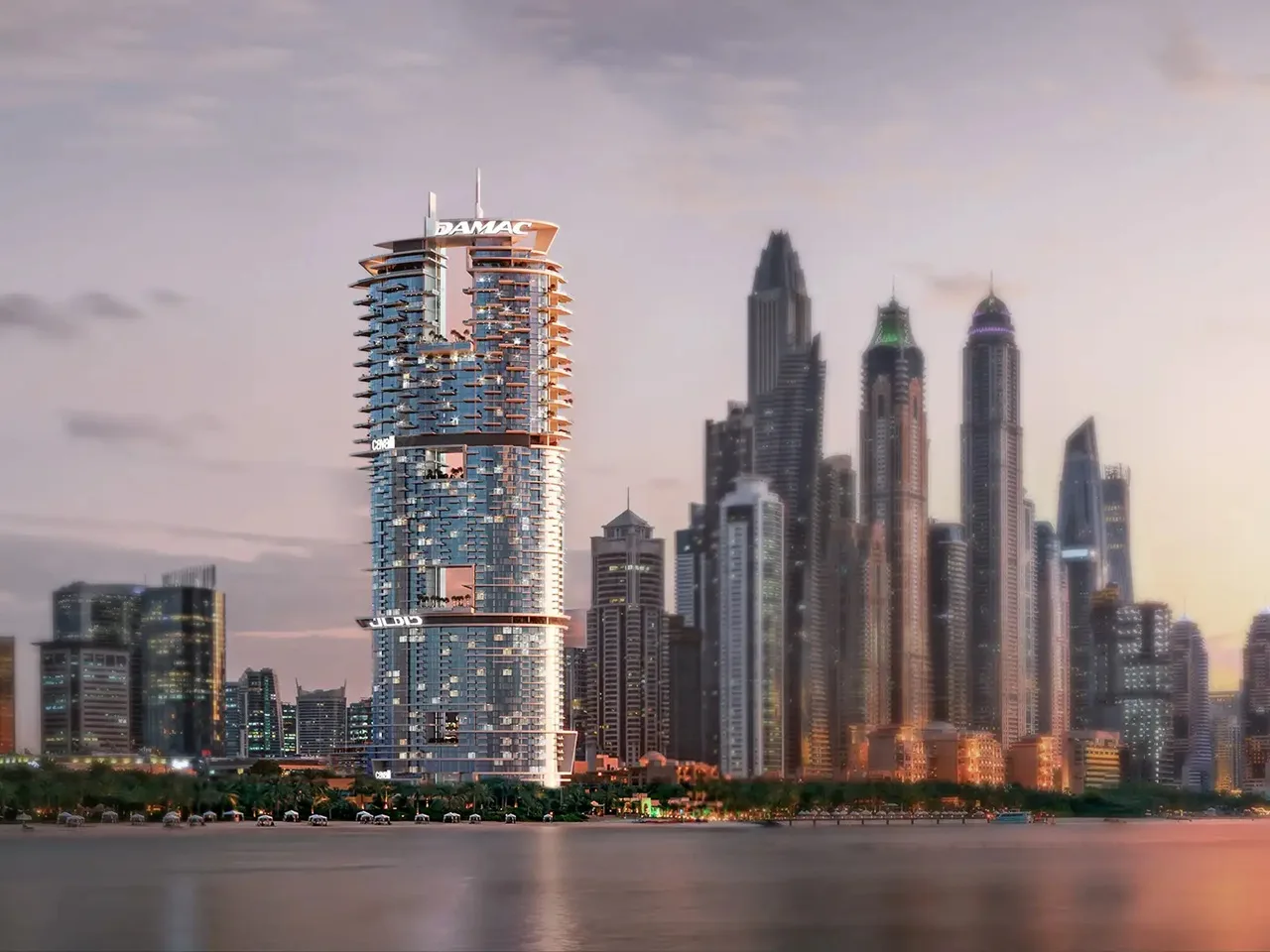
Costs and Fees Related to Oqood Registration illustrated with a Dubai Marina waterfront skyline highlighting registration costs and compliance process Captured by Tohid Fetrat

Understanding the cost structure of Oqood is essential for off-plan investors, as these fees are part of the legal ownership registration process and directly linked to the Dubai Land Department (DLD).

Oqood Registration Fee (DLD Fee)

The main cost associated with Oqood is the Dubai Land Department registration fee, which is:

  • 4% of the property purchase price

This is the same statutory fee applied to all property registrations in Dubai. For off-plan properties, this fee is typically paid at the Oqood registration stage, not at handover.

Administrative and Knowledge Fees

In addition to the 4% registration fee, small fixed charges apply, including:

  • DLD administrative fees
  • Knowledge and innovation fees

These are minor amounts compared to the property value and are mandatory for completing registration.

Who Pays the Oqood Fees?

In practice:

  • The buyer pays the Oqood registration fees
  • The developer usually collects the fees from the investor and submits them to DLD
  • Any variation (fee sharing or developer-paid promotions) must be clearly stated in the SPA

If it is not written in the contract, the buyer should assume full responsibility for the fees.

Additional Costs to Be Aware Of

Depending on the transaction, investors may also encounter:

  • Oqood transfer fees (if reselling before completion)
  • Developer NOC fees (for resale or transfer)
  • Mortgage registration fees (if financing is used)

These are transaction-specific, not standard Oqood costs.

Always confirm:

  • Whether the 4% DLD fee is due at booking, SPA signing, or Oqood issuance
  • That payment receipts are issued and linked to DLD registration
  • That Oqood registration is completed after fees are paid

Investor note: Oqood fees are not extra costs, they are part of Dubai's official property registration system. Paying them ensures your off-plan purchase is legally registered, protected, and eligible for title deed issuance later.

Ask me to review your fee schedule →

Before you commit

Verify Oqood Registration With Official Records

If you are reviewing an off-plan SPA, verifying Oqood registration, or planning to invest safely in Dubai's freehold market, always rely on official Dubai Land Department records and properly registered projects.

For independent verification, you can check official DLD platforms or contact me directly for a free, investor-focused consultation to review the SPA, confirm Oqood eligibility, and assess off-plan risks before committing.

Common questions

Oqood Registration in Dubai - FAQ

Is the 4% fee paid again at title deed?

No. If the 4% DLD fee is paid during Oqood registration, it is not paid again when the title deed is issued at handover. Oqood registration and title deed issuance are part of the same ownership registration cycle.

What exactly is Oqood in Dubai real estate?

Oqood is the official interim property registration system used for off-plan properties in Dubai. It records the buyer's ownership interest with the Dubai Land Department during the construction phase, before the title deed is issued.

Is Oqood mandatory for all off-plan properties?

Yes. All off-plan property sales in Dubai's approved freehold areas must be registered through Oqood. Without Oqood, the sale is not fully recognized at the land registry level.

When is Oqood issued after signing the SPA?

Oqood is issued after the SPA is signed and the developer submits the contract details to DLD. This usually happens within a short period after signing, once required fees and documentation are completed.

Is Oqood proof of ownership?

Oqood is legal proof of interim ownership during construction. It confirms that the unit is registered in the buyer's name, but it is not the final title deed.

What is the difference between Oqood and a title deed?

Oqood applies to off-plan properties under construction. A title deed is issued after completion and handover and confirms full and permanent ownership.

Can an off-plan property be sold using Oqood?

Yes. A property registered under Oqood can be resold before completion, subject to developer approval, DLD transfer requirements, and payment of applicable fees.

Who is responsible for registering Oqood?

The developer is legally responsible for registering the SPA through the Oqood system. The investor must provide accurate documents and ensure registration is completed.

What happens if a developer delays Oqood registration?

Delays should be addressed immediately. Oqood registration is mandatory, and investors can escalate the issue to DLD if the developer fails to comply.

Is Oqood required for investor residency visas?

Yes. Oqood can be used to support property investor residency applications, provided visa eligibility requirements are met.

Does Oqood protect investor payments?

Yes. Oqood registration links the SPA to the project's escrow account, ensuring payments are tracked and regulated under Dubai real estate law.

When does Oqood convert into a title deed?

Oqood is converted into a title deed at project completion and handover, once all SPA obligations and payments are fulfilled.

The full journey

Next Steps in Buying Property in Dubai

Oqood is one step in a larger journey. Each step below links to its own detailed guide, from choosing a unit to receiving your title deed and residency.

Tohid Fetrat, Dubai real estate advisor and portfolio manager

Tohid Fetrat

Message me about your Oqood registration

For any questions about your real estate investment, message or call me directly. I can review your SPA, confirm Oqood eligibility and assess off-plan risks before you commit, and guide you toward the best opportunities in Dubai.

WhatsApp