- Home
- Dubai Map
- Projects
- Emaar Projects
- Palace Residences Hillside
- Creek Haven
- Avarra By Palace
- Salva at The Heights
- Serro at The Heights
- Serro2 at The Heights
- Emaar Beachfront new launch 2026
- Emaar Beachfront Apartments For Sale
- Bayview by Address Resorts
- SeaPoint at Emaar Beachfront
- Rashid Yachts & Marina apartments for sale
- the valley townhouses and villas for sale
- Emaar South properties for sale
- Sera 2 at Rashid Yachts & Marina
- Farm Grove 2 at The Valley
- Fior 1 at Rashid Yachts & Marina
- Aurea at Rashid Yachts & Marina
- Elora at The Valley
- Vista Ridge Emaar South
- Greenway at Emaar South
- Damac Projects
- Nakheel Projects
- Omniyat Projects
- Binghatti Projects
- Meraas Projects
- Beyond Projects
- Sobha Projects
- Ellington Projects
- IRTH Projects
- Imtiaz Projects
- Emaar Projects
- Developers
- Areas & Communities
- Dubai Hills Estate
- Palm jebel ali
- Palm Jumeirah
- Downtown Dubai
- Business Bay
- Dubai Marina
- Dubai Islands
- THE OASIS
- Emaar Beachfront
- Dubai Design District (d3)
- Island A
- Island B
- Island C
- Island E
- Nad Al Sheba Gardens
- Grand Polo
- DAMAC Island 2
- The Heights Country Club & Wellness
- Binghatti City – Mercedes Benz Places
- Dubai Creek Harbour
- The Meriva Collection
- Jumeirah Village Circle (JVC)
- Sobha Elwood
- SIORA
- Tilal Binghatti
- Dubai Maritime City
- Dubai Harbour
- Rashid Yachts & Marina (Mina Rashid)
- Palm Central
- The Valley by Emaar
- Emaar South Dubai
- New Launches
- Guides
- Tohid Fetrat
- English

How to Buy Property in Dubai - Step by Step Guide
From choosing the right area and project to EOI, SPA, escrow, Oqood registration, and title deed
Learn how to buy property in Dubai step by step, from choosing the right community and project to EOI submission, SPA signing, escrow payments, Oqood registration, property handover, and title deed ownership.
Understanding the Dubai Property Buying Process
Buying property in Dubai follows a structured process regulated by the Dubai Land Department. Whether you are an investor or end user, understanding each stage helps you make better decisions and avoid common mistakes.Below is a simplified step by step guide explaining how property transactions work in Dubai, from selecting the right project to receiving the final title deed.
Step 1
Step 2
Step 3
Step 5
Optional Step
Step 6
Step 7
Step 1
Step 1: Choose the Right Property in Dubai
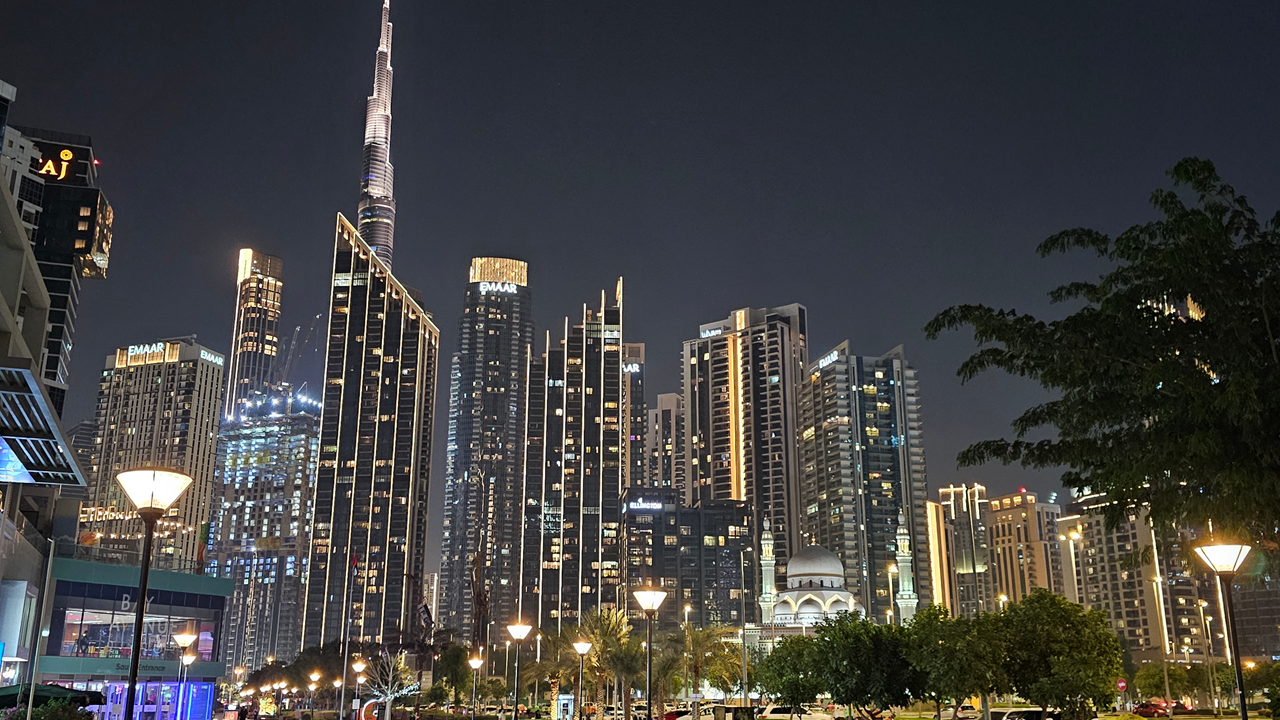
The first step when buying property in Dubai is identifying the right area, community, developer, and project that fits your budget and goals. Buyers usually start by exploring different areas of Dubai, comparing communities, and reviewing available projects before selecting a specific property.
Choosing the right location and developer is important for both lifestyle and long term investment performance.

What Buyers Usually Compare:

Areas in Dubai
Communities within those areas
Developers launching projects
Available property types such as apartments, townhouses, and villas
Payment plans and expected handover timelines
Learn more about this step in the full guide:
Step 2
Step 2: Dubai Escrow Accounts
After signing the Sales and Purchase Agreement (SPA), property payments are typically made through a regulated escrow account linked to the project. In Dubai, escrow accounts are designed to protect buyers by ensuring that funds are used only for the construction of the specific development.
Each approved project must have a dedicated escrow account registered with the Dubai Land Department. Buyers transfer their installment payments directly to this account rather than paying the developer privately.
This system ensures that developers can only withdraw funds according to construction progress, providing transparency and additional protection for property buyers.
What Escrow Accounts Protect:
- Buyer payments are secured and regulated
- Funds are used only for the specific project
- Withdrawals depend on verified construction progress
- Developers must follow government regulations
Escrow accounts are a key part of Dubai’s real estate regulations and help create a safer environment for both investors and end users purchasing off plan property.
Learn more about this step in the full guide:
Step 3: Expression of Interest (EOI)
After identifying the right project and property unit, buyers may be asked to submit an Expression of Interest (EOI). An EOI is an early reservation step commonly used during new project launches or high demand property releases in Dubai.
By submitting an EOI, buyers indicate their intention to purchase a property before the official sales launch. This usually involves completing a reservation form and placing a refundable or partially refundable deposit to secure priority access when units are released.
EOI submissions help developers manage demand and allow serious buyers to reserve preferred units before the public launch.
What Happens During the EOI Stage:
- Buyers select a preferred unit or property type
- A reservation form is submitted
- A deposit may be placed to secure priority access
- Buyers receive allocation priority during the project launch
Submitting an EOI does not replace the legal purchase contract, but it allows buyers to secure early access to a project before moving to the next step of signing the Sales and Purchase Agreement (SPA).
Learn more about this step in the full guide:
Step 4
Step 4: Sales and Purchase Agreement (SPA)
After submitting an Expression of Interest and selecting a property unit, the next step is signing the Sales and Purchase Agreement (SPA). The SPA is the official contract between the buyer and the developer that outlines the terms and conditions of the property purchase.
This agreement includes key details such as the property specifications, total purchase price, payment schedule, construction timeline, and the expected handover date. Once the SPA is signed, the property unit is formally reserved under the buyer’s name.
At this stage, buyers typically pay the first installment according to the payment plan provided by the developer.
What the SPA Includes:
Property unit details and specifications
Total purchase price
Payment plan and installment schedule
Construction timeline and expected handover date
Terms and conditions between buyer and developer
The SPA is one of the most important documents in the Dubai property buying process, as it legally defines the rights and responsibilities of both the buyer and the developer.
Learn more about this step in the full guide:
Need Help Buying Property in Dubai?
Whether you are exploring communities, reviewing projects, or preparing to reserve a property, getting the right guidance can help you navigate the Dubai property buying process with confidence.
Step 5
Step 5: Oqood Registration
After signing the Sales and Purchase Agreement (SPA) and completing the initial payment, the property must be registered through the Oqood system for off plan properties in Dubai. Oqood is the official registration system used to record off plan property transactions before the project is completed.
This registration is managed by the Dubai Land Department and ensures that the buyer’s ownership rights are officially recorded while the project is under construction.
Oqood acts as a temporary ownership record until the project is completed and the final title deed is issued.
What Happens During Oqood Registration:
- The property unit is registered under the buyer’s name
- The transaction is recorded in the Dubai Land Department system
- Registration fees are applied according to government regulations
- The buyer receives official proof of off plan ownership
Oqood registration is an important step in the Dubai property buying process because it confirms that the unit is legally recorded under the buyer before project completion.
Learn more about this step in the full guide:
Optional Step: Dubai Golden Visa Through Property Investment
After completing Oqood registration or receiving the title deed, property buyers in Dubai may become eligible to apply for the long term UAE Golden Visa through real estate investment. This residency program allows property investors to live in the UAE with extended visa validity while maintaining ownership of their property.
Real estate investors who meet the required property value threshold can apply for a renewable long term residency visa issued by the UAE government. This makes Dubai one of the few global real estate markets where property ownership can also provide residency benefits.
Benefits of the UAE Golden Visa for Property Owners:
- Long term residency in the UAE
- Ability to sponsor family members
- No requirement for a local employer
- Flexibility to live, work, and invest in the UAE

Many international buyers consider the Golden Visa program as an additional advantage when purchasing property in Dubai.
Learn More About the Golden Visa
Step 6
Step 6: Dubai Property Handover
Once construction of the project is completed, the developer schedules the property handover. This is the stage where the buyer officially receives the unit after completing all required payments according to the payment plan.
During the handover process, buyers are invited to inspect the property to ensure that the unit meets the agreed specifications outlined in the Sales and Purchase Agreement (SPA). This inspection is commonly known as snagging, where any construction defects or finishing issues can be identified and reported to the developer.
After the final payment is completed and any reported issues are resolved, the developer prepares the property for ownership transfer and registration.

What Happens During the Handover Stage:
The developer notifies the buyer that construction is completed
The buyer performs a property inspection (snagging)
Any defects or finishing issues are reported for correction
The final payment is completed according to the payment plan
The property becomes ready for ownership registration
After the handover process is completed, the next step is issuing the official ownership document known as the title deed.
Learn more about this step in the full guide:

Step 7
Step 7: Dubai Property Title Deed
The final step in the Dubai property buying process is receiving the title deed, which is the official ownership certificate issued by the Dubai Land Department. The title deed confirms that the property is legally registered under the buyer’s name and that full ownership has been transferred.
Once the project is completed and the handover process is finalized, the property is registered in the Dubai Land Department system and the title deed is issued to the owner.
This document represents the final proof of property ownership in Dubai and allows the owner to sell, lease, or transfer the property in the future.
What the Title Deed Confirms:
- Legal ownership of the property
- Registration with the Dubai Land Department
- Property details including unit number and project name
- Owner information and property value
After receiving the title deed, the property purchase process is fully completed and the buyer becomes the official owner of the property in Dubai.
Learn more about this step in the full guide:
Explore Dubai Areas, Communities, and Projects on the Map
After understanding the property buying process, the next step is exploring where to buy in Dubai. Each area of the city offers a different lifestyle, investment potential, and type of property.
Dubai includes a wide range of communities, from beachfront destinations and golf communities to family oriented neighborhoods and emerging investment districts. Exploring these locations helps buyers compare projects, developers, and property types before selecting a specific unit.
Use the Dubai map to discover areas, communities, and new projects in Dubai, compare locations, and explore where different developments are located across the city.
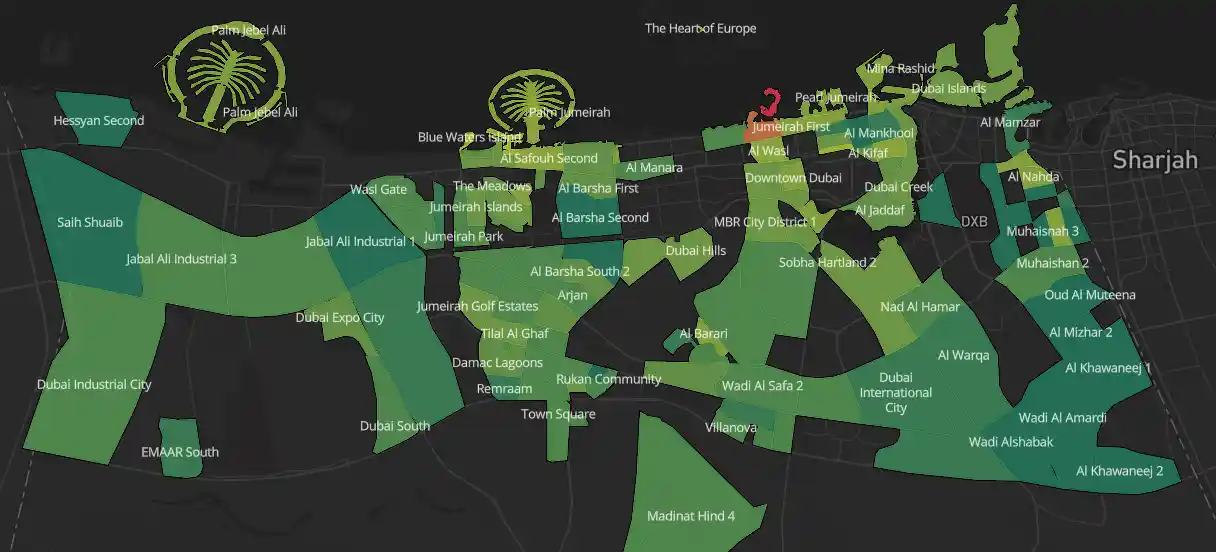
Click to view Dubai interactive map
Dubai Property Purchase Costs and Fees
Beyond the property price itself, buyers should also consider several government and administrative fees associated with real estate transactions in Dubai. These costs are regulated by the Dubai Land Department and related authorities and apply to most property purchases.
Understanding these additional expenses helps buyers plan their investment more accurately and avoid surprises during the transaction process.
Common property purchase costs in Dubai include:
- Dubai Land Department (DLD) Fee - Usually 4% of the property price for transaction registration.
- Registration Trustee Fee - Government service fee for processing property registration.
- Oqood Registration Fee - Applies to off plan property registration.
- Agency Commission - Typically around 2% if a broker is involved.
- Administrative Fees - Minor charges for documentation and processing.
These costs are an important part of the Dubai property buying process and should be included when calculating the total investment required for purchasing real estate in Dubai.
Want a clear estimate of the total cost before buying property in Dubai?
Frequently Asked Questions About Buying Property in Dubai
Can foreigners buy property in Dubai?
Yes, foreign buyers can purchase property in Dubai in designated freehold areas. These areas allow international investors to own property with full ownership rights.
What is the first step to buy property in Dubai?
The first step is selecting the right area, community, developer, and project that matches your budget, lifestyle, and investment goals before reserving a specific unit.
What is an Expression of Interest (EOI) in Dubai property?
An Expression of Interest (EOI) is an early reservation step used during new project launches where buyers submit a form and deposit to secure priority access to available units.
What is the Sales and Purchase Agreement (SPA)?
The Sales and Purchase Agreement (SPA) is the official contract between the buyer and developer that outlines the property details, total price, payment schedule, and expected handover timeline.
How do escrow accounts protect property buyers in Dubai?
Escrow accounts ensure that buyer payments are deposited into a regulated account linked to the project. Funds can only be released to the developer according to verified construction progress.
What is Oqood registration?
Oqood is the official system used to register off plan property purchases with the Dubai Land Department while the project is under construction.
Can property investors get a UAE Golden Visa?
Yes, property investors who meet the required investment value may be eligible to apply for the UAE Golden Visa, which provides long term residency benefits.
What happens during the property handover process?
During handover, buyers inspect the property, report any construction defects, complete final payments, and prepare for ownership registration.
When is the title deed issued?
The title deed is issued after the project is completed and the property ownership is officially registered with the Dubai Land Department.
Are there additional costs when buying property in Dubai?
Yes, buyers should consider costs such as Dubai Land Department registration fees, trustee fees, and other administrative charges depending on the transaction.
Dubai Real Estate Projects
Explore Dubai's luxury and premium real estate projects, complete with detailed brochures, sizes, and all the information you need in one convenient place.
Loading…
Dubai Real Estate Areas & Communities
Explore Dubai’s most sought-after areas and communities. Discover the unique character, lifestyle, and amenities that each neighborhood offers
Loading…
Dubai Real Estate developers
Meet the visionary developers shaping Dubai's skyline. Explore profiles of top developers, their signature projects, and their contributions to the city’s luxury real estate landscape.
Loading…
Dubai Metro Lines
Explore all of Dubai’s Metro lines in one place. Whether you’re looking into the Green, Red, Blue, or future lines, this section will guide you through each route and their connections.
Loading…

For any questions about your real estate investment, message or call me directly. I’m here to guide you toward the best opportunities in Dubai.
Tohid Fetrat

This website uses cookies to ensure you get the best experience on our website.
Let’s build your Dubai portfolio together
+971 543 443 597
Latest News

- Privacy Policy
- Terms & Conditions
- Customer Policy.
Copyrights © 2025 Tohid Fetrat