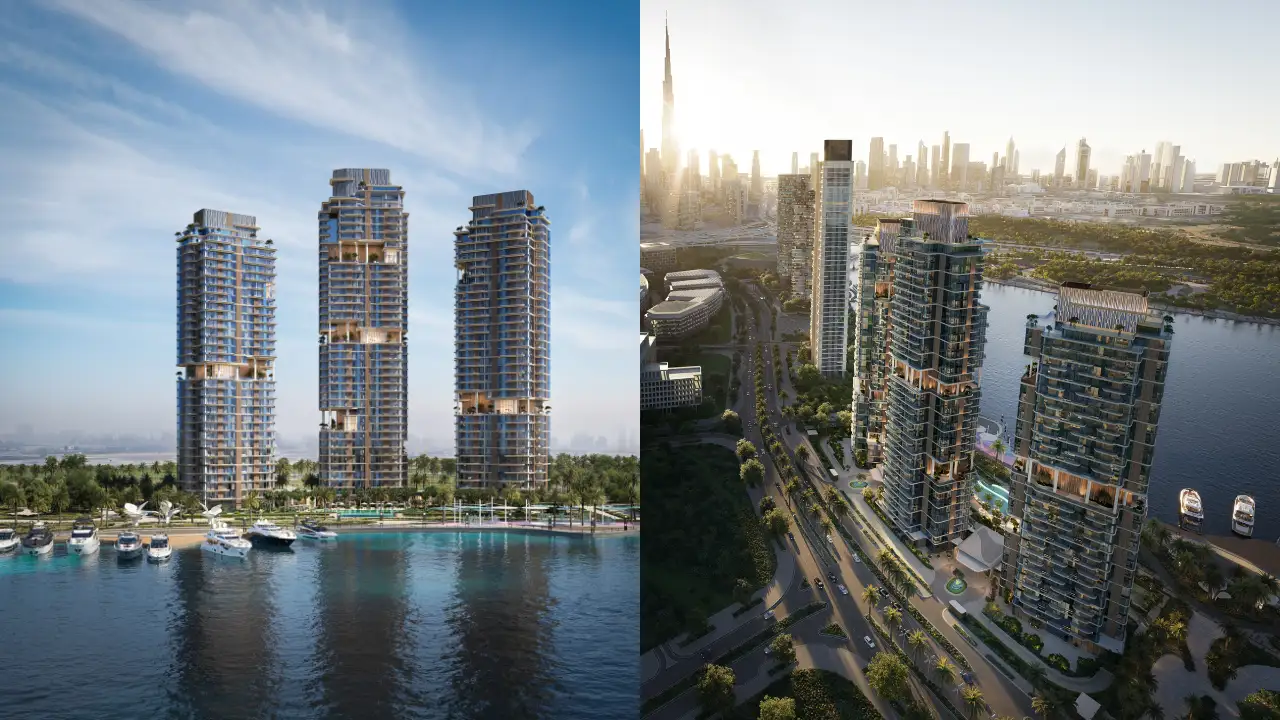
United Arab Emirates (Dubai)
4% (flat - DLD fee)
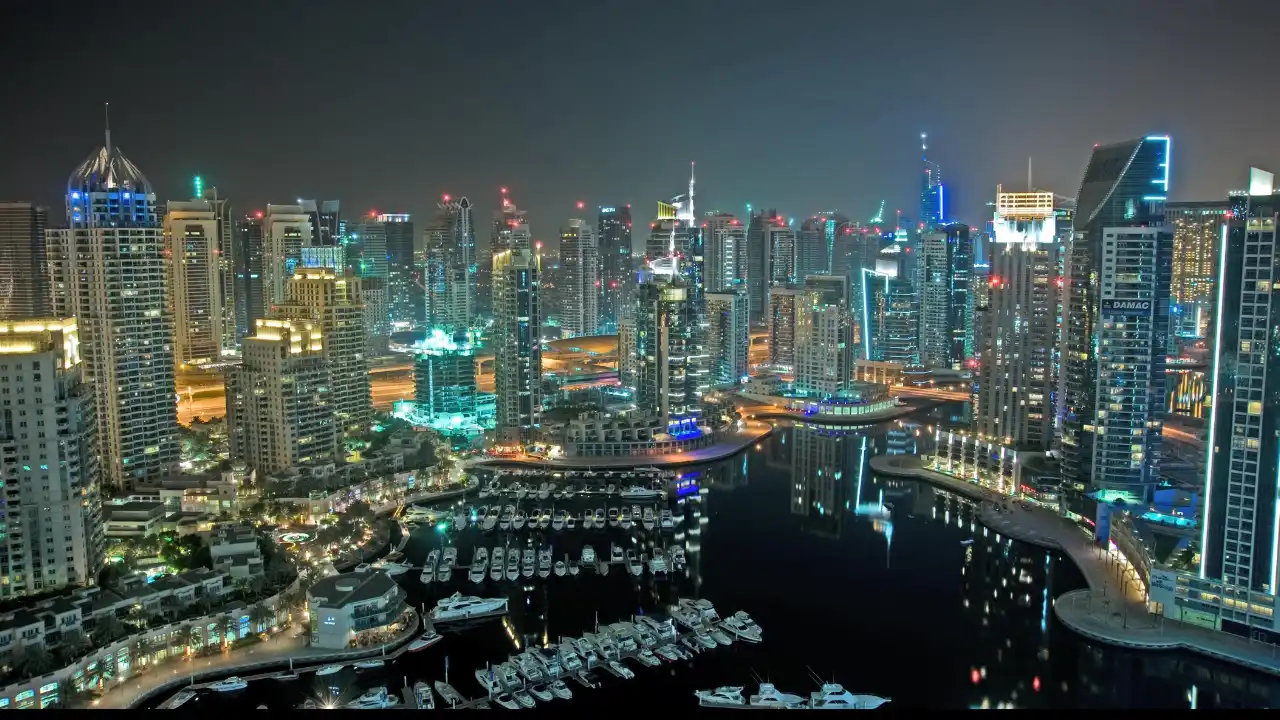
The Dubai Land Department (DLD) is responsible for regulating Dubai’s real estate market, safeguarding investor rights, and managing all property registrations and transactions. This page explains DLD’s history, real estate laws, the 4% property transfer fee, ownership regulations, rental frameworks, and the full range of services that make Dubai one of the world’s most transparent and investor-friendly property markets.
The Dubai Land Department (DLD) was established on 23 January 1960 under the guidance of HH Sheikh Rashid bin Saeed Al Maktoum, marking the beginning of formal real estate governance in Dubai. Its initial role focused on registering land ownership and documenting property transactions, laying the legal foundation for Dubai’s emerging property market. Over time, DLD’s mandate expanded beyond land registration to include the regulation, organization, and development of the real estate sector. The department became responsible for creating a transparent legal framework that protects rights, regulates relationships between all parties in the market, and supports sustainable growth aligned with Dubai’s urban vision. Today, operating under the Dubai Executive Council, DLD continues to modernize real estate services, adopt international best practices, and strengthen investor confidence, playing a central role in positioning Dubai as one of the world’s leading and most trusted real estate investment destinations.
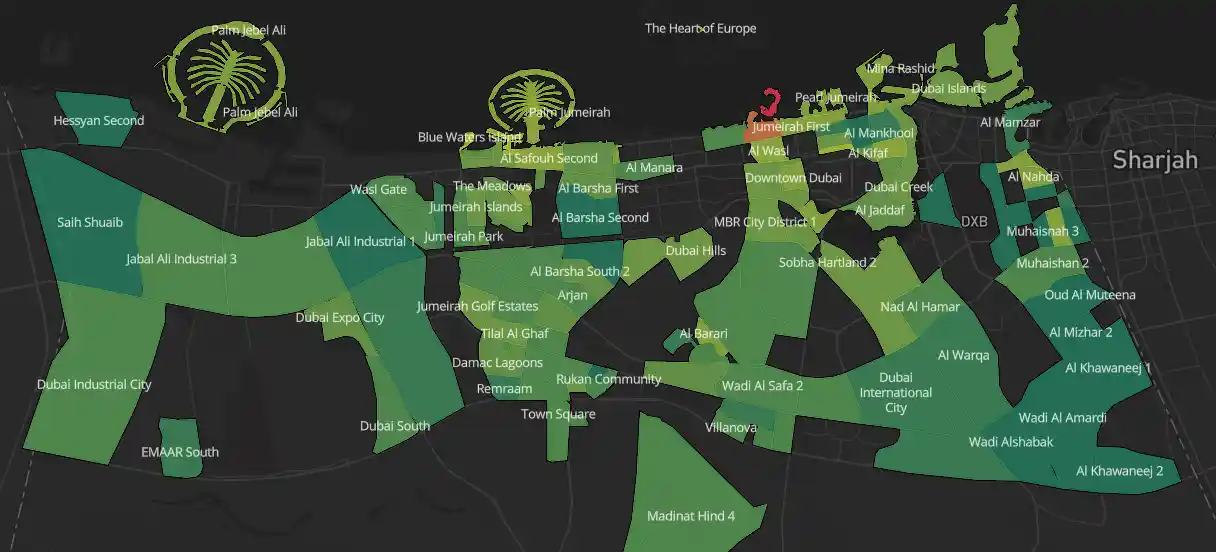
The Dubai Land Department (DLD) operates across all areas of Dubai, overseeing property registration, ownership records, and regulatory compliance citywide. Every freehold area, master community, and registered development visible on the Dubai Map falls under DLD’s jurisdiction.
Using the Dubai Map, investors can clearly identify freehold zones such as Downtown Dubai, Dubai Marina, and Palm Jumeirah ; master-planned communities like Dubai Hills Estate, Mohammed Bin Rashid City, and Jumeirah Lakes Towers; as well as major waterfront developments and commercial districts including Business Bay and Dubai Creek Harbour.
All these areas are officially regulated, registered, and documented through DLD, reinforcing transparency, legal clarity, and investor confidence across Dubai’s real estate market.
1960
60+ years of real estate governance
4% of property value (one-time, per transaction)
0% annual property tax
0%
0%
Allowed in designated freehold areas
100% escrow-regulated projects
100% Ejari registration required
≈ 68,400 sq ft (≈ 6,350 sq meter)
LEED Platinum, WELL Platinum, WiredScore Platinum (targeted)
The Dubai Land Department (DLD) operates through a structured ecosystem of specialized departments and digital platforms designed to regulate, document, and support all real estate activities in Dubai. Together, these entities ensure transparency, investor protection, and efficient market operations.
DLD’s regulatory arm responsible for licensing developers and brokers, approving projects, regulating advertising, enforcing rental laws, and overseeing escrow accounts for off-plan developments.
The education and training arm that certifies real estate professionals and promotes industry knowledge and best practices.
A specialized judicial body handling landlord–tenant disputes, ensuring fast and legally binding resolutions.
The mandatory rental contract registration system that legalizes tenancy agreements and supports rental transparency.
A service-charge management system regulating jointly owned properties, ensuring transparency in owners’ association fees and expenditures.
DLD’s digital real estate platform enabling online property registration, title deed issuance, lease renewals, fee payments, and access to market data.
The Dubai Land Department (DLD) applies a 4% property transfer fee on all real estate sale transactions in Dubai. This fee is calculated based on the agreed property purchase price stated in the Sale and Purchase Agreement and is paid at the time of ownership transfer when the new title deed is issued. In most transactions, the buyer pays the full 4% fee, although in some cases the buyer and seller may agree to split it equally. The fee covers the official registration of the property, updating ownership records in Dubai’s land registry, and issuing the legally recognized title deed. In addition to the 4% fee, minor administrative charges may apply for registration services. From an international perspective, Dubai’s 4% transfer fee is considered competitive and investor-friendly. Many global real estate markets impose higher stamp duties or additional annual property taxes, while Dubai charges no recurring property tax, no capital gains tax, and no tax on rental income. This one-time 4% DLD fee contributes to Dubai’s transparent and secure property registration system while maintaining its position as one of the world’s most attractive real estate investment destinations.
4% (flat - DLD fee)
4%–15% (graduated, higher for luxury homes)
5%–6%
5.8%
5%–10%
7%–8%
9%–10%
7%–8%
6%–10% (region dependent)
4% (often split buyer/seller)
5%
To obtain the most accurate and up-to-date information for your real estate investment, you can always refer to the official Dubai Land Department (DLD) website. For personalized guidance, market insights, and investment support, you may also contact me directly for a free consultation.
Explore Dubai's luxury and premium real estate projects, complete with detailed brochures, sizes, and all the information you need in one convenient place.
Explore Dubai’s most sought-after areas and communities. Discover the unique character, lifestyle, and amenities that each neighborhood offers
Meet the visionary developers shaping Dubai's skyline. Explore profiles of top developers, their signature projects, and their contributions to the city’s luxury real estate landscape.
Explore all of Dubai’s Metro lines in one place. Whether you’re looking into the Green, Red, Blue, or future lines, this section will guide you through each route and their connections.
The Dubai Land Department (DLD) is the government authority responsible for regulating, registering, and overseeing all real estate activities in Dubai, including property ownership, transactions, rentals, and developer compliance.
The 4% fee covers the official registration of the property transaction, updating ownership records, and issuing the legally recognized title deed at the time of transfer.
In most cases, the buyer pays the full 4%, although the buyer and seller may agree to split the fee. This is determined contractually between both parties.
No. Dubai has no annual property tax, no capital gains tax, and no tax on rental income, making it highly attractive for long-term investors.
Investors can access most services digitally through Dubai REST, including property registration, title deeds, rental contracts, and fee payments.
Yes. Foreign nationals can own freehold property in designated areas across Dubai, with full ownership rights registered and protected by DLD.
The Real Estate Regulatory Agency (RERA) operates under DLD and is responsible for licensing brokers and developers, regulating rentals, approving projects, and enforcing real estate laws.
Ejari is the mandatory rental contract registration system in Dubai. All residential and commercial leases must be registered to be legally valid.
All off-plan projects must use DLD-approved escrow accounts, ensuring buyer payments are released to developers only according to construction progress.
Rental disputes are handled by the Rental Dispute Center (RDC), a specialized judicial body under DLD that provides fast and legally binding resolutions.

This website uses cookies to ensure you get the best experience on our website.
Copyrights © 2025 Tohid Fetrat
Loading...