Protection against fire and accidental damage
- Home
- Dubai Map
- Projects
- Emaar Projects
- Damac Projects
- Nakheel Projects
- Omniyat Projects
- Binghatti Projects
- Meraas Projects
- Beyond Projects
- Sobha Projects
- Imtiaz Projects
- Ellington Projects
- IRTH Projects
- Developers
- Areas & Communities
- Palm jebel ali
- Downtown Dubai
- Dubai Hills Estate
- Palm Jumeirah
- Dubai Marina
- Dubai Islands
- Business Bay
- THE OASIS
- Emaar Beachfront
- Island A
- Island B
- Island C
- Island D
- Dubai Design District (d3)
- Island E
- Grand Polo
- Nad Al Sheba Gardens
- The Heights Country Club & Wellness
- Dubai Creek Harbour
- DAMAC Island 2
- The Meriva Collection
- Jumeirah Village Circle (JVC)
- Binghatti City – Mercedes Benz Places
- SIORA
- Sobha Elwood
- Tilal Binghatti
- Dubai Maritime City
- Rashid Yachts & Marina (Mina Rashid)
- Dubai Harbour
- Palm Central
- Emaar South Dubai
- The Valley by Emaar
- New Launches
- Guides
- Buy property in dubai
- Property Insurance in Dubai
- What Is Property Insurance in Dubai
- Types of Property Insurance in Dubai
- Landlord Insurance in Dubai
- Building Insurance vs Home Insurance in Dubai
- Tenant Insurance in Dubai
- Mortgage Property Insurance in Dubai
- Property Insurance After Handover in Dubai
- Property Insurance Cost in Dubai
- Off Plan Property Insurance in Dubai
- Airbnb Property Insurance in Dubai
- Property Insurance Coverage in Dubai
- Property Insurance Claims in Dubai
- Property Insurance for Overseas Investors in Dubai
- Dubai Golden Visa
- Dubai Golden Visa Requirements
- Dubai Golden Visa Fees
- Golden Visa Through Property in Dubai
- How to Apply for Golden Visa UAE
- Dubai Golden Visa Benefits
- Documents Required for Dubai Golden Visa
- Dubai Golden Visa Eligibility Criteria
- Dubai Golden Visa vs Investor Visa
- Dubai Golden Visa Processing Time
- Best Areas Dubai Golden Visa
- Off-Plan Property for Dubai Golden Visa
- Title Deed vs Oqood Dubai
- Multiple Properties Golden Visa
- UAE Golden Visa for Investors
- Mortgaged Property for Dubai Golden Visa
- Ready vs Off-Plan Property for Dubai Golden Visa
- Sell Property After Golden Visa
- Dubai Metro
- Dubai Land Department
- Tohid Fetrat
- English
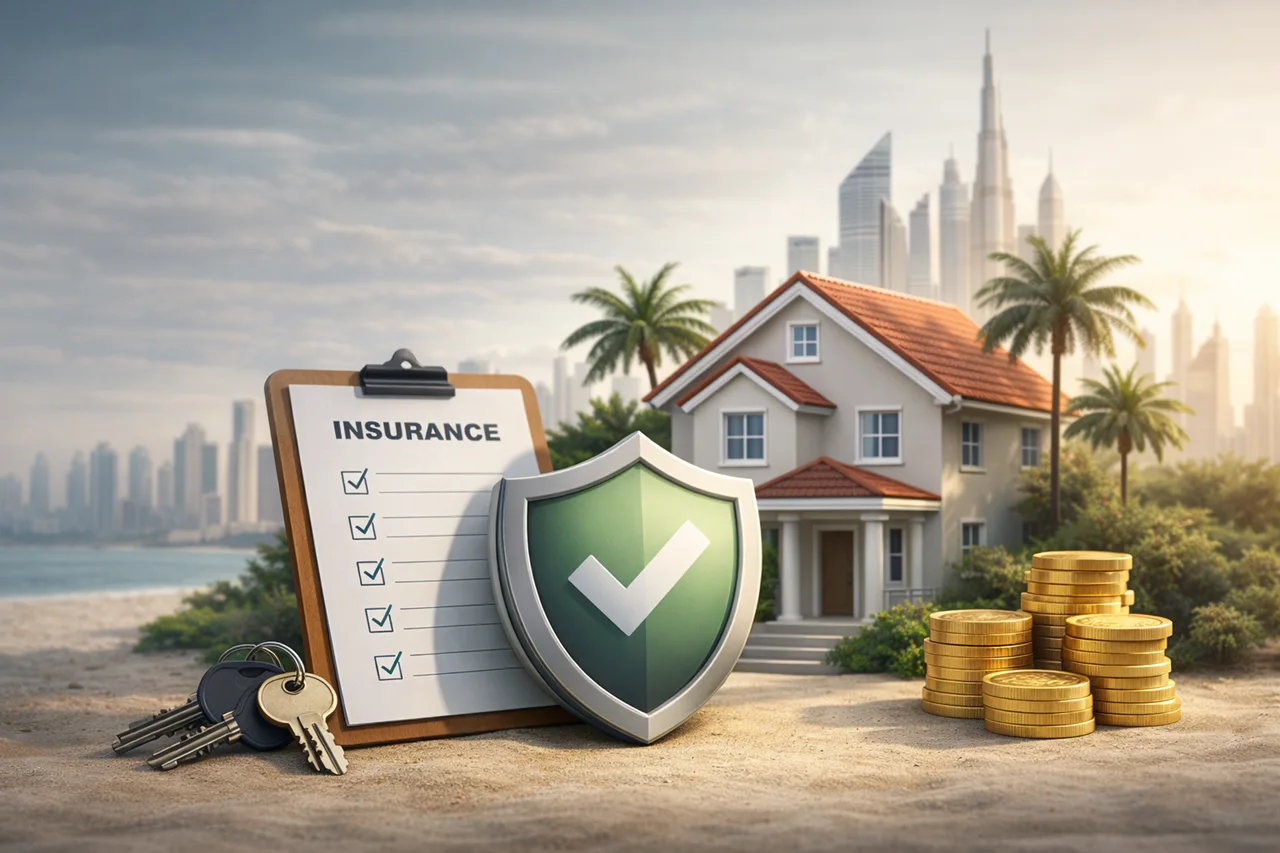
What Is Property Insurance in Dubai?
Complete Guide to Property Protection for Homeowners, Landlords, and Investors
Property insurance in Dubai protects property owners from financial losses caused by damage, accidents, or liability related to real estate. This guide explains how property insurance works, what it covers, and why it is important for homeowners, landlords, and property investors in Dubai.
Understanding Property Insurance in Dubai
Property insurance in Dubai protects property owners, landlords, and tenants from financial losses caused by damage, accidents, or liability related to real estate. Whether you own an apartment, villa, or rental property, insurance helps cover unexpected risks such as fire, water damage, theft, or liability claims.Dubai's real estate market includes high value residential properties and investment assets, which makes insurance an important part of property ownership and risk management.
While property insurance is not always legally required in Dubai, it becomes essential in several situations, especially when buying property with a mortgage or renting out a property to tenants.
Why Property Insurance Is Important in Dubai
Property ownership in Dubai involves valuable assets and financial commitments. Property insurance helps protect owners, landlords, and investors from unexpected risks that could cause significant financial loss.
A proper insurance policy provides financial security and ensures that property owners are protected against common property related incidents.
Key reasons why property insurance is important in Dubai include:
- Coverage for water leaks, flooding, and pipe bursts
- Financial protection from theft or vandalism
- Liability coverage if someone is injured inside the property
- Protection for landlords against tenant related damage
- Security for banks when the property is purchased with a mortgage
- Peace of mind for property investors and homeowners
Understanding these risks helps property owners choose the right insurance policy and coverage level for their property.
Who Needs Property Insurance in Dubai
Property insurance in Dubai can apply to several types of property users depending on how the property is owned or used. Different groups may need insurance to protect their financial interests, personal belongings, or property investments.
The most common groups that benefit from property insurance in Dubai include:
- Homeowners who want to protect their property and personal belongings
- Landlords who rent their properties to tenants and want to protect their investment
- Tenants who want to insure their personal belongings inside a rented property
- Mortgage property buyers whose lenders require property insurance as part of the financing process
Each of these groups has different insurance needs and coverage types depending on how the property is used. The following sections explain these differences in more detail.

How Property Insurance Works in Dubai
Property insurance in Dubai works through an agreement between the property owner and an insurance provider. The owner purchases an insurance policy and pays a yearly premium in exchange for financial protection against specific risks.
If damage, loss, or an insured event occurs, the property owner can submit a claim to the insurance company. After reviewing the claim and verifying the damage, the insurer compensates the policyholder according to the coverage and limits defined in the policy.
A typical property insurance process includes:
- The property owner selects an insurance policy and coverage level
- An annual insurance premium is paid to activate the policy
- If an insured incident occurs, the policyholder files an insurance claim
- The insurance company evaluates the damage and claim documentation
- Compensation is provided based on the policy terms and coverage limits
Each of these groups has different insurance needs and coverage types depending on how the property is used. The following sections explain these differences in more detail.

What Property Insurance Typically Covers
Property insurance in Dubai is designed to protect property owners against a range of risks that may cause damage to a property or financial loss. The exact coverage depends on the insurance provider and the policy selected, but most property insurance policies include protection for common property related incidents.
Typical property insurance coverage may include:
- Fire and smoke damage affecting the property
- Water damage caused by pipe leaks or plumbing failures
- Theft or burglary involving personal belongings
- Storm related damage or severe weather events
- Accidental damage to parts of the property
- Liability coverage if someone is injured inside the property
Coverage may vary depending on whether the policy is for a homeowner, landlord, or tenant. Some policies also allow additional protection through optional coverage extensions.
What Property Insurance Does Not Cover
Although property insurance in Dubai protects against many risks, insurance policies also include exclusions. These exclusions define situations where the insurance company will not provide compensation for damages or losses.
Understanding these limitations is important because property owners may assume certain events are covered when they are not included in the policy.
Common exclusions in property insurance policies may include:
- Normal wear and tear caused by aging or regular use
- Damage resulting from poor maintenance or neglect
- Intentional damage caused by the property owner or occupants
- War related events or political unrest
- Unauthorized structural modifications or renovations
- Damage caused by pests or long term deterioration
Because coverage terms vary between insurance providers, property owners should carefully review their policy documents to understand the exclusions and limitations.
Property Insurance Regulations in the UAE
Property insurance in Dubai operates within the broader regulatory framework of the United Arab Emirates insurance sector. Insurance providers must be licensed and regulated to operate legally in the country, ensuring that policies, premiums, and claim procedures follow national standards.
The UAE insurance industry is supervised by federal authorities responsible for regulating insurance companies, approving policy frameworks, and protecting policyholders.
Insurance companies operating in the UAE must follow strict licensing requirements and maintain financial stability to ensure they can meet claim obligations. These regulations help protect property owners and ensure transparency in the insurance market.
Although property insurance is generally not mandatory for most property owners in Dubai, it is commonly required when purchasing property with a mortgage because banks need to protect the property used as collateral for the loan.
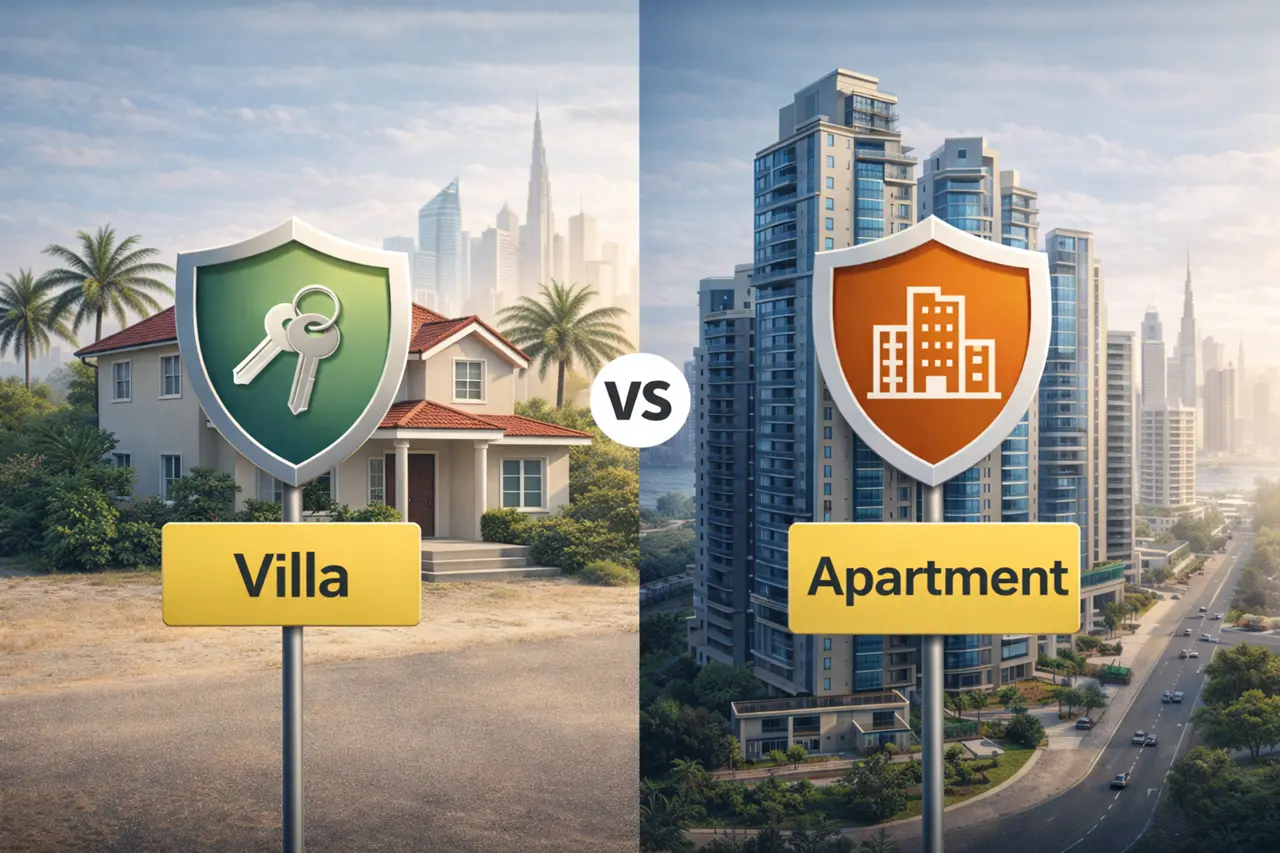
How Property Insurance Differs for Apartments and Villas
Insurance requirements in Dubai can vary depending on the type of property. Apartments and villas have different ownership structures, which affects insurance responsibility.
- Apartment owners usually insure interior fittings and personal belongings
- Building insurance for apartments is often handled by the owners association
- Villa owners are responsible for insuring the full property structure
- Villa insurance may include garages, gardens, and boundary walls
- Villas often require higher coverage due to rebuild costs
Choosing the Right Property Insurance Policy
Selecting the right property insurance policy in Dubai is important to ensure that a property is properly protected. Different insurance providers offer various coverage options, policy limits, and premium structures.
Property owners should compare policies carefully and understand what each insurance plan includes before making a decision.
When evaluating property insurance policies, owners should consider:
- Coverage limits and what types of damage are included
- Policy exclusions and situations that are not covered
- Annual premium cost and payment terms
- Reputation and reliability of the insurance provider
- Claim handling process and settlement history
Reviewing these factors helps property owners choose an insurance policy that matches the value of their property and their level of risk exposure.
Frequently Asked Questions About Property Insurance in Dubai
What is property insurance in Dubai?
Property insurance in Dubai is a policy that protects property owners, landlords, or tenants from financial losses caused by property damage, accidents, theft, or liability related to a property.
Is property insurance mandatory in Dubai?
Property insurance is generally not mandatory for property owners in Dubai. However, banks usually require property insurance when a property is purchased with a mortgage.
What does property insurance typically cover in Dubai?
Most property insurance policies cover risks such as fire damage, water leaks, theft, accidental damage, and liability if someone is injured inside the property.
Do apartment owners need property insurance in Dubai?
Apartment owners often insure their interior fittings and personal belongings. The building structure is usually insured by the building management or owners association.
Do villa owners need property insurance?
Villa owners are typically responsible for insuring the entire property structure because they own the full building rather than just an individual unit.
Do landlords need property insurance in Dubai?
Landlords often purchase landlord insurance to protect their rental property from tenant related damage, liability claims, and other risks associated with renting out property.
Do tenants need property insurance?
Tenants do not insure the property structure, but they can insure their personal belongings such as furniture, electronics, and valuables through tenant insurance.
Is property insurance required for mortgage properties in Dubai?
Yes, banks usually require property insurance when a property is purchased through a mortgage because the property serves as collateral for the loan.
What factors affect property insurance cost in Dubai?
Insurance costs depend on several factors including property value, property type, location, coverage level, and the insurance provider.
How do property insurance claims work in Dubai?
If property damage occurs, the policyholder submits a claim to the insurance company. The insurer investigates the claim and compensates the policyholder based on the policy terms and coverage limits.
Explore Property Insurance in Dubai
What Is Property Insurance in Dubai
Dubai Real Estate Projects
Explore Dubai's luxury and premium real estate projects, complete with detailed brochures, sizes, and all the information you need in one convenient place.
Loading…
Dubai Real Estate Areas & Communities
Explore Dubai’s most sought-after areas and communities. Discover the unique character, lifestyle, and amenities that each neighborhood offers
Loading…
Dubai Real Estate developers
Meet the visionary developers shaping Dubai's skyline. Explore profiles of top developers, their signature projects, and their contributions to the city’s luxury real estate landscape.
Loading…
Dubai Metro Lines
Explore all of Dubai’s Metro lines in one place. Whether you’re looking into the Green, Red, Blue, or future lines, this section will guide you through each route and their connections.
Loading…

For any questions about your real estate investment, message or call me directly. I’m here to guide you toward the best opportunities in Dubai.

This website uses cookies to ensure you get the best experience on our website.
Let’s build your Dubai portfolio together
+971 543 443 597
Latest News


- Privacy Policy
- Terms & Conditions
- Customer Policy.
Copyrights © 2025 Tohid Fetrat